








Can you recommend 10 reliable self-adhesive label manufacturers for international buyers?
Sep 25, 2026

Which label factories are suitable for importers looking for factory-direct production? The best options are specialized label makers, full-service printing factories, and overseas factories that can export directly.
Factory-direct production means you work with the source that designs, prints, and finishes the label. No trading company is in the middle. You talk to the maker, not a reseller.
This guide helps you compare suppliers with confidence. You will learn how direct sourcing supports better factory-direct pricing, stronger quality control, and a more reliable supply chain. It also shows how to judge manufacturers before you commit.
Factory-direct production means you buy from a factory that does design, printing, finishing, and shipping all in-house. No middleman stands between you and the maker. You work straight with the producer. This gives you direct access to how things are made and often leads to better factory-direct pricing.
Picking a factory or a trading company changes your whole sourcing experience. A trading company buys from a factory and sells to you. This adds extra cost and cuts your control. When you work with the factory directly, you get direct factory access and can talk about specs, timelines, and quality checks with the people who really make the labels.
Working directly with the factory also builds a direct factory relationship. You can visit the production floor, check samples on-site, and fix problems faster. For importers sourcing from Asia, this direct factory relationship often means shorter lead times and fewer mix-ups. A factory that makes the product directly can adjust runs, change materials, and put your order first without waiting for a middleman.
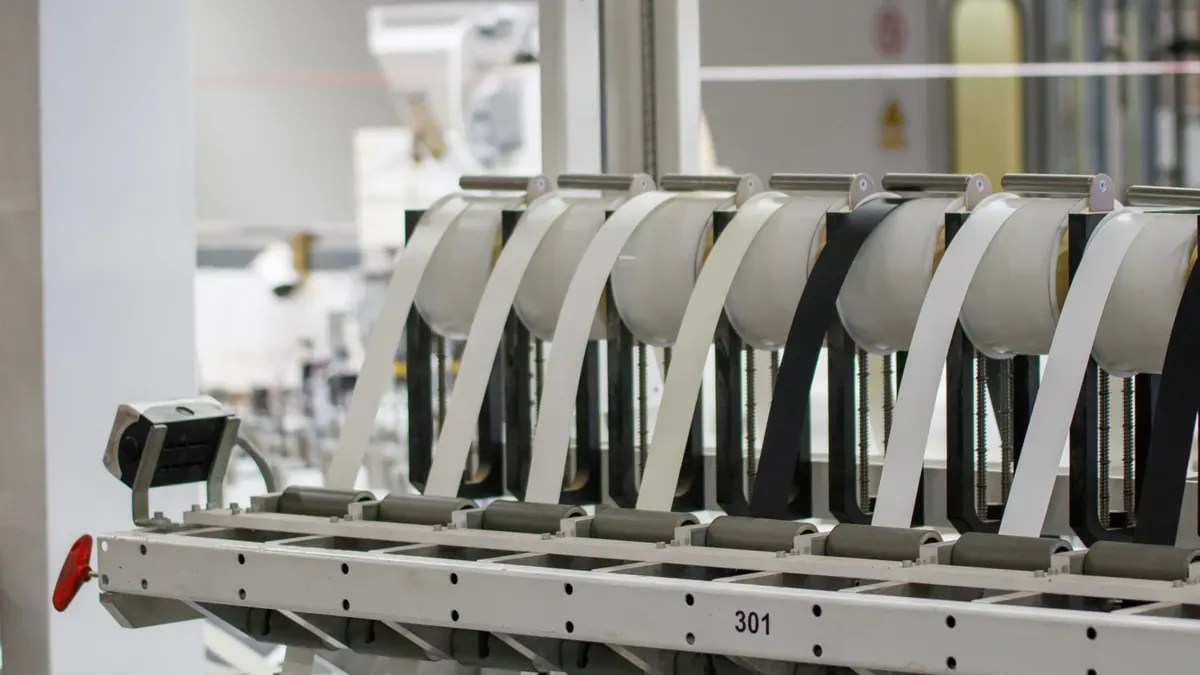
A well-equipped factory gives you control over every step. In-house production usually includes silicone coating, adhesive coating, slitting and rewinding, die-cutting, blank label conversion, color printing, roll inspection, and customized packaging. Each step stays under one roof, so quality checks happen all the time.
Think about Wenzhou Baihengyu Printing Co., Ltd., started in 2010 in Wenzhou, Zhejiang. This integrated source manufacturer offers design, printing, deep processing, and shipping all in one place. Its factory runs die-cutting, foil stamping, spot UV, and laminating machines. It makes adhesive labels, color boxes, gift boxes, brochures, and manuals from one site. Jobs go from offset or digital presses straight to finishing stations without being sent out. The company gives free design help, sample production, and custom quotes. Full order tracking lets you watch every production stage from a single point of contact. This level of integration shortens total lead times compared to ordering from separate suppliers.
Not every factory is right for every importer. The best factory depends on your product, order size, and target market. Three types of factories work well for direct sourcing.
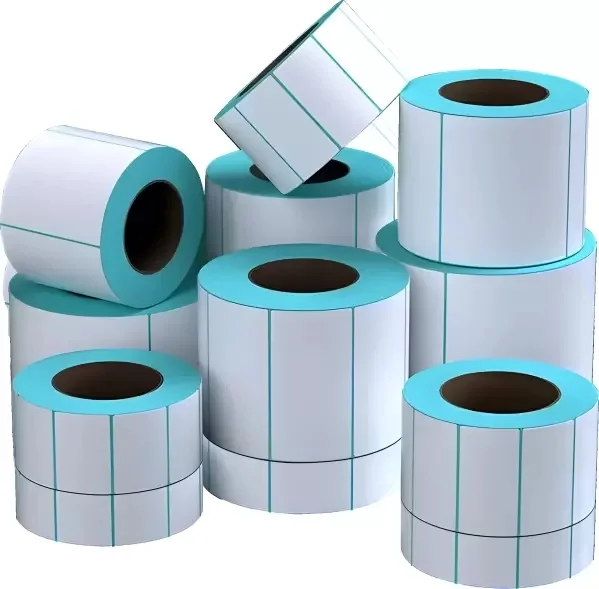
Specialized label manufacturers focus only on labels. They make self-adhesive labels from many materials. Common face stocks are coated paper, thermal paper, synthetic paper, PVC, and PET. You can also pick matte silver and fragile paper for security needs. Adhesive choice matters just as much. Factories often offer oil-based glue, hot melt glue, and water-based glue. Each glue works on different surfaces and climates. If a label factory stocks all these materials, you get flexibility. You can order clear labels, metallic and foil labels, matte labels, thermal transfer labels, and direct thermal labels from one supplier. This range helps you serve food, cosmetic, pharmaceutical, and logistics clients without juggling multiple vendors.
Integrated printing factories offer more. They manage design, prepress, printing, die-cutting, lamination, UV coating, foil stamping, and finishing under one roof. This full-service model saves time. Your artwork moves from screen to press to finished roll without leaving the building. Wenzhou Baihengyu Printing Co., Ltd. is a strong example. Founded in 2010 in Wenzhou, Zhejiang, this integrated source manufacturer runs design, printing, deep processing, and logistics from one site. Its production lines cover adhesive labels, color boxes, gift boxes, brochures, and manuals. The factory also does foil stamping, spot UV, laminating, embossing, die-cutting, and variable data printing. These abilities let you order food labels, cosmetic labels, appliance labels, anti-counterfeit labels, and packaging boxes together. One factory, one shipment, one point of contact.
When you buy from Asia, you need a factory that understands export. Asian factories with direct export experience ship to many markets. They know customs rules and prepare the right paperwork. Good factories give export declarations, commercial invoices, packing lists, certificates of origin, and bills of lading. Some buyers also need inspection certificates or country-specific regulatory documents. A factory that handles these details prevents customs delays.
Clear pricing and honest communication separate good suppliers from weak ones. Professional factories give you a pro forma invoice before shipping. This document lists quantity, specifications, and terms. Later it becomes the commercial invoice for customs clearance. Reliable factories also explain shipping schedules, freight options, container planning, and transit times. They answer questions quickly and make realistic promises. This openness builds trust. You avoid surprises at the port and keep your supply chain moving.
Wenzhou Baihengyu Printing Co., Ltd. exports to many countries in Asia. The company gives free design help, sample production, custom quotes, and full order tracking. Its one-stop service handles small sample orders and large export runs. This direct factory relationship gives you better control over quality and delivery.
You need a clear way to tell strong factories from weak ones. A good label supplier does more than print. It runs production, proves quality, and talks with you clearly. Use the checks below before you make a deal.
Start by looking at the production floor. Ask the factory to show its own production lines. A real maker runs printing, die-cutting, lamination, and finishing on its own machines. It does not send your job to another shop. Ask for a live video tour or visit in person. Watch how the factory handles color printing, roll inspection, and die-cutting. These steps decide whether your labels meet the spec.
Next, look at the quality control system. A serious factory checks raw materials, watches the press run, and inspects finished rolls. Ask how it tracks defects and deals with reorders. Steady batches matter more than one good sample.
Certifications also matter. For export garment labels, suppliers should prove they follow target-market rules like REACH, Prop 65, and CPC. They should also give third-party wash durability reports based on AATCC or ISO methods. ISO and food-safety certification alignment is an export-compliance checkpoint. Label factories that export self-adhesive labels should match their certifications to your compliance team's exact needs. Check this alignment before production starts. Relevant ISO certifications belong in the pre-export packaging review.
Customization tells a true partner apart from a basic printer. You may want a custom product under your own brand. Make sure the factory can handle sampling, private label packaging, custom color boxes, die-lines, inserts, and multi-SKU packaging. Check logo application precision too, like laser engraving, silk printing, foil stamping, and debossing.
Material options and cost transparency go hand in hand. Check if a supplier can explain material sourcing and offer other substrates or adhesives when a main material is hard to get. Qualify backup materials before a shortage forces the issue. Watch for warning signs: lead times slowly getting longer, price hikes with no material reason, limited format or material flexibility, and no way to see order status.
| Evaluation Dimension | What You Should Verify |
|---|---|
| Label Customization Capabilities | Sampling responsiveness, packaging and kitting integration, and logo application precision |
| Material Options | Technical expertise and machinery aligned with raw material specs, plus audited sub-tier component costs |
| Cost Transparency | Tiered MOQ negotiation, tooling investment and amortization, and audited raw material costs |
| Overall Qualification | Capacity, compliance records, and quality control track record before committing capital |
Communication holds everything together. Responsive suppliers answer questions fast and give honest timelines. They share order status without you asking. This matters most when sourcing from Asia, where time zones and distance can hide problems. A factory that communicates well protects your direct sourcing plan and supports better factory-direct pricing over time.
Wenzhou Baihengyu Printing Co., Ltd. shows how these criteria work in real life. This integrated source manufacturer runs design, printing, deep processing, and logistics from one site. It offers free design help, sample production, and full order tracking. Importers sourcing from Asia can use these checks to confirm a factory is truly factory-direct.
Now you put your knowledge to work. Finding and checking factories starts with a planned search. You need to find and qualify suppliers who run their own manufacturing.
Start with trusted online platforms. Alibaba links you to factories around the world, including Asia. Made-in-China.com shows audited Chinese factories. Thomasnet works for North American industrial buyers. For consumer brands, Wonnda helps you find private-label products in Europe. Trade shows let you meet people face to face. HKTDC Sourcing in Hong Kong brings checked exporters to one place.
| Platform | Best fit | Notes |
|---|---|---|
| Alibaba | Global, verified | Trade Assurance |
| Made-in-China.com | Chinese factories | Audits |
| Thomasnet | North American | Industrial |
| Wonnda | European | Private label |
You can also search Google with words like "self-adhesive printing manufacturer China." Make a short list of candidates. Ask for their export history. These steps help your sourcing from asia. Good sourcing depends on clear specifications.
A listing on a marketplace does not prove a real factory. Checking suppliers takes evidence. For direct sourcing, you must audit credentials. Get the business license and ISO 9001 certificate. Check certificate numbers right on the issuing body's website.
What to check: Ask for the business license, export license, and ISO 9001 certificate. Verify certificate numbers online. A factory without checkable credentials cannot support export compliance. Make sure the facility has specialized in packaging manufacturing for years.
Sourcing from asia also needs a careful sample process. Follow these steps.
| Verification | What you confirm |
|---|---|
| Audit | Production lines, QC manager, audit reports |
| Sample | Dimensions, materials, workmanship, packaging |
| Inspection | Tolerances repeatable, transit survival |
Watch for red flags. Vague answers about tooling mean trouble. Being slow to share license numbers means a trading company. When sourcing from asia, clear communication stops delays.
Asian factories with open doors build trust. Wenzhou Baihengyu Printing Co., Ltd. is one example. This integrated source manufacturer exports to many markets. Its factory runs label manufacturing in-house. Importers can audit these facilities directly.
The best label factories for importers who want factory-direct production are specialized label makers, full-service printing factories, and overseas factories that can export on their own. These suppliers do design, printing, finishing, and shipping all in-house.
Before you order, check their in-house production, quality control, customization choices, cost savings, and communication. Sourcing from Asia pays off for careful buyers. Wenzhou Baihengyu Printing Co., Ltd. shows how an integrated source manufacturer helps with direct sourcing and factory-direct pricing.
Ask for factory audits, product samples, and clear price breakdowns. These steps prove the factory is truly factory-direct.
A true factory does design, printing, finishing, and shipping all on its own. You work with the maker directly. No trading company is in the middle. Ask for a live video tour. Make sure the factory runs its own presses and die-cutting machines. Wenzhou Baihengyu Printing Co., Ltd. is one example of an integrated source manufacturer.
Ask for a business license and ISO certificate. Check the certificate numbers on the issuing body's website. Ask for a live video walkthrough of the production floor. A real factory shows its printing, lamination, and die-cutting lines. Watch how workers do color checks and roll inspection. These steps prove the factory makes labels on-site.
Look for export experience and clear communication. Ask for export documents like commercial invoices and packing lists. Request pre-production samples with written tolerances. Keep golden samples at your office and at the factory. For large orders, hire a third-party inspector. These checks protect your sourcing from Asia.
Yes. Integrated printing factories handle labels, color boxes, gift boxes, brochures, and manuals all under one roof. This saves time and shipping costs. You get one point of contact for everything. Wenzhou Baihengyu Printing Co., Ltd. offers this one-stop service. The factory also does foil stamping, spot UV, and variable data printing.
Make a short list of suppliers on Alibaba, Made-in-China.com, or Thomasnet. Search Google for "self-adhesive printing manufacturer China." Ask each candidate for quotes and samples. Compare quality, communication, and lead times. Then place a small trial order. This approach helps importers build trust with a new factory before committing to large runs.