











How to Choose Thermal Paper Labels for Different Printing Applications
Sep 21, 2026
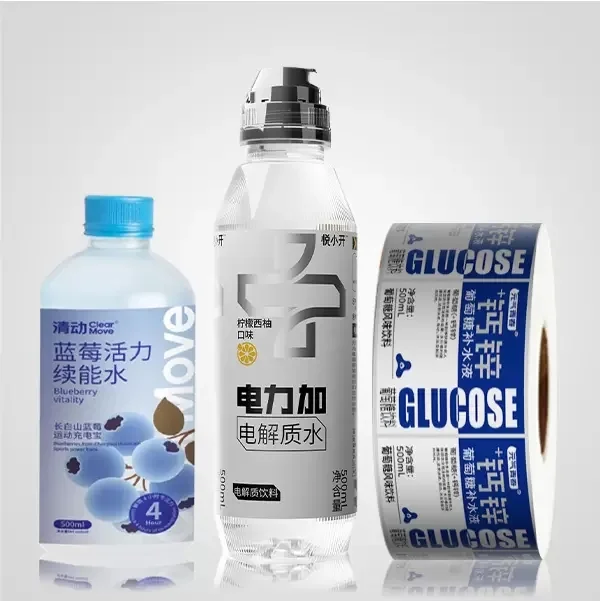
Food packaging comes in many forms, including glass jars, plastic bottles, flexible pouches, paper bags, metal cans, cardboard boxes, and refrigerated containers. Although these packaging materials have different surface properties, they all need labels that can remain firmly attached and clearly display important product information.
Choosing a self adhesive food label is therefore not simply a matter of selecting an attractive design. The label material, adhesive, packaging surface, storage environment, printing method, and application process all need to work together. A label that performs well on a dry glass jar may not be suitable for a flexible plastic pouch or a food package stored in a refrigerator.
For food manufacturers, distributors, and packaging buyers, understanding these differences can help avoid common problems such as peeling edges, wrinkles, poor printing quality, adhesive failure, and damaged labels.

The first step in choosing a self adhesive food label is to identify the material and surface of the package.
Different packaging materials have different levels of smoothness, flexibility, porosity, and surface energy. These characteristics directly affect label adhesion.
Glass jars and bottles are widely used for sauces, jams, honey, beverages, pickles, and other food products. Glass usually provides a smooth and relatively stable labeling surface.
Paper labels with suitable permanent adhesive are commonly used for glass food containers. Coated paper can provide good print quality and is suitable for products where branding and product information need to be clearly displayed.
However, glass packaging may also be exposed to condensation, refrigeration, or moisture. If the product is stored in a cold environment, a standard paper label may not provide sufficient moisture resistance. In such cases, synthetic paper, PET, or other water-resistant materials can be considered.
Plastic packaging is more complicated because different plastics have different surface characteristics. Common materials include PE, PP, PET, and HDPE.
PET bottles generally provide a relatively smooth surface and are commonly used for beverages, sauces, cooking oils, and other food products. Standard self adhesive labels can work well when the correct adhesive is selected.
PE and PP containers can be more challenging because their surfaces may have lower surface energy. A label that works well on glass may not bond equally well to these plastics.
For flexible plastic packaging, label flexibility is also important. A label that is too rigid may wrinkle or lift when the package is squeezed or bent. Synthetic materials such as PP or PET-based label stock can be useful where flexibility and durability are required.
Flexible packaging includes stand-up pouches, plastic bags, film packaging, and laminated food bags. These packages are commonly used for snacks, dried foods, frozen products, coffee, pet food, and other products.
Unlike rigid containers, flexible packaging can bend during filling, transportation, storage, and handling. The label must therefore maintain good adhesion while the package changes shape.
For this type of application, buyers should consider:
A synthetic label may be more suitable than ordinary paper when the package will be exposed to moisture or frequent handling.
For products such as frozen foods, chilled foods, or refrigerated products, the adhesive must also be selected according to the actual temperature conditions. A general-purpose adhesive may lose performance when condensation forms on the package surface.
Paper bags, kraft bags, cartons, and cardboard boxes have different characteristics from glass and plastic.
Paper and cardboard are porous surfaces, which means the adhesive may interact differently with the substrate. In many cases, coated paper or uncoated paper labels can provide a natural appearance that matches food brands focused on simple or traditional packaging.
For dry food products, ordinary self adhesive paper labels may be sufficient. For products exposed to humidity, refrigeration, or oil, however, a more durable material should be considered.
Cardboard packaging also provides more design possibilities. Food brands can combine labels with printed cartons, product instructions, promotional information, or batch details.
When selecting labels for cardboard boxes, it is useful to consider whether the label is intended mainly for branding, product identification, logistics, or regulatory information. Each purpose can require different material and printing specifications.
Metal cans are commonly used for canned vegetables, meat products, beverages, sauces, and other packaged foods.
The surface of a metal container can be smooth and non-porous, so adhesive selection is important. The label should remain firmly attached during transportation and storage without excessive edge lifting.
For canned food products that may be stored in humid warehouses or refrigerated environments, moisture resistance should also be considered.
In addition to adhesive performance, the label should have sufficient resistance to scratching and rubbing. During transportation, cans can move against each other or against cartons, potentially damaging printed information.
Durable label materials and suitable finishing processes can help maintain the appearance of the label throughout the product's distribution cycle.
The adhesive is one of the most important parts of a self adhesive food label.
At the basic level, food packaging labels may use different adhesive technologies depending on the application, including water-based adhesives, hot melt adhesives, and other adhesive formulations.
Water-based adhesives can be suitable for many standard labeling applications, particularly when the package is stored under relatively normal conditions.
They can be considered for paper, cardboard, glass, and certain plastic surfaces when environmental conditions are controlled.
Hot melt adhesive can provide strong initial tack and is often considered for applications where fast bonding is important.
It can be useful for certain plastic packaging and applications requiring strong adhesion, but the actual formulation should be selected according to the substrate and operating temperature.
Some food packaging requires additional adhesive performance because of refrigeration, moisture, oil, curved surfaces, or frequent handling.
For example, a label applied to a refrigerated beverage bottle may face condensation shortly after application. A label for a frozen food package may need to maintain adhesion at low temperatures. These situations should be communicated to the label manufacturer before production.
The food packaging material is only one part of the selection process. The environment also matters.
Before ordering labels, consider the following questions:
For dry products stored at room temperature, coated paper labels may provide a practical solution. For chilled, wet, or frequently handled products, synthetic materials such as PVC or PET may provide better durability.
The goal is not necessarily to choose the most complicated material. Instead, the label should be matched to the actual application conditions.
Food labels need to communicate product information while also supporting brand presentation. Printing quality is therefore an important consideration.
Modern self adhesive labels can be produced with different finishing options, including lamination, embossing, hot stamping, spot UV, and die cutting.
For premium food products, hot stamping or embossing can create a more distinctive appearance. For labels exposed to moisture or frequent handling, lamination can provide additional surface protection.
Variable data printing is also useful for applications requiring different batch numbers, production dates, barcodes, QR codes, or other product-specific information.
The choice of finishing should be based on the actual application rather than simply adding decorative effects. A practical food label needs to remain readable, scannable, and securely attached throughout its intended service life.
Food manufacturers often have different packaging formats and purchasing requirements. Some need a small batch for product testing, while others require large quantities for regular production.
This is where working directly with an experienced label manufacturer can make the process easier.
Wenzhou Baihengyu Printing Co., Ltd. has specialized in printing and packaging manufacturing since 2010. Located in Wenzhou Economic and Technological Development Zone, the company integrates creative design, printing production, post-processing, and logistics services.
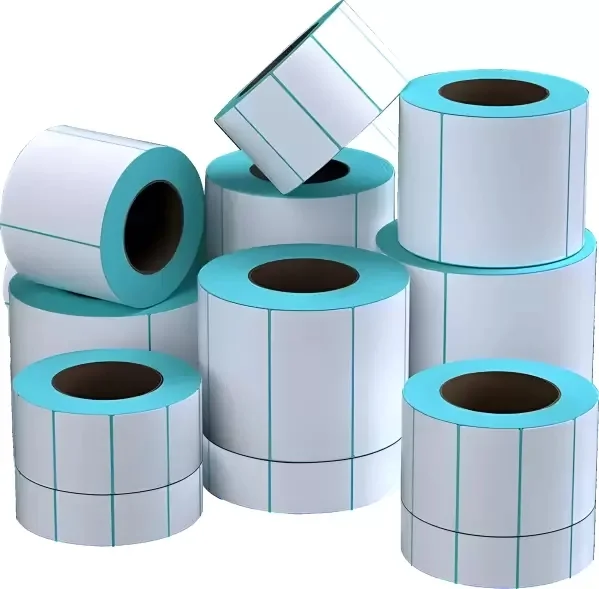
Its self adhesive label product range includes coated paper, thermal paper, synthetic paper, PVC, PET, matte silver, and fragile paper. Different adhesive options, including oil-based adhesive, hot melt adhesive, and water-based adhesive, can be selected according to the packaging material and application environment.
This is particularly useful when a food manufacturer needs labels for different packaging types under the same product line. Instead of using one standard label for every package, the material and adhesive can be adjusted according to the actual surface and working conditions.
Before placing a large label order, testing is an important step.
A practical test should involve the actual packaging material rather than only checking the label sample by itself. Apply the label to the intended bottle, pouch, carton, jar, or container and observe its performance.
Check whether:
Sample production is especially useful for new packaging projects because problems can be identified before full-scale production begins.
Choosing self adhesive food labels requires more than selecting a paper type or creating an attractive design. The packaging material, surface characteristics, adhesive, storage environment, printing requirements, and application process all need to be considered together.
Glass jars may require different label solutions from flexible plastic pouches. Refrigerated products may need different adhesive performance from dry food packaging. Metal cans, cardboard boxes, and plastic containers each have their own requirements.
An experienced label manufacturer can help match the right combination of material, adhesive, printing, and finishing to the application. With a complete production system, professional printing and die-cutting equipment, and strict quality control, Wenzhou Baihengyu Printing Co., Ltd. provides customized food labels for different packaging requirements, from sample orders to large-volume production.
For food brands looking to improve both label performance and packaging presentation, selecting the right self adhesive food label at the beginning can reduce production problems and help ensure that the finished package remains clear, attractive, and reliable throughout its distribution cycle.