











Sustainable Circular Adhesive Technologies Reshape Self-Adhesive Label Industry Development
Jul 22, 2026
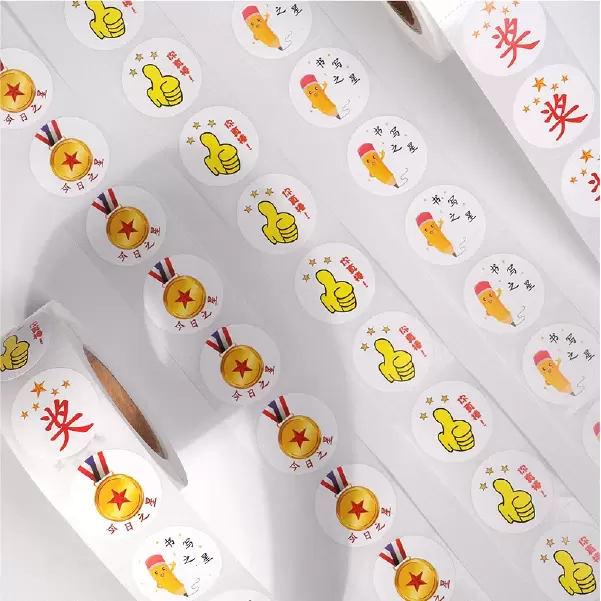
A product label may look simple, but producing a reliable custom label requires much more than printing a logo and product information. The label needs to match the packaging surface, remain firmly attached during storage and transportation, present clear and accurate information, and maintain its appearance throughout the product's service life.
For brands, importers, manufacturers, and packaging buyers, choosing the right custom label manufacturer can therefore have a direct impact on product presentation and production efficiency. A reliable supplier should not only offer different materials and printing effects but also understand how labels perform in real application environments.
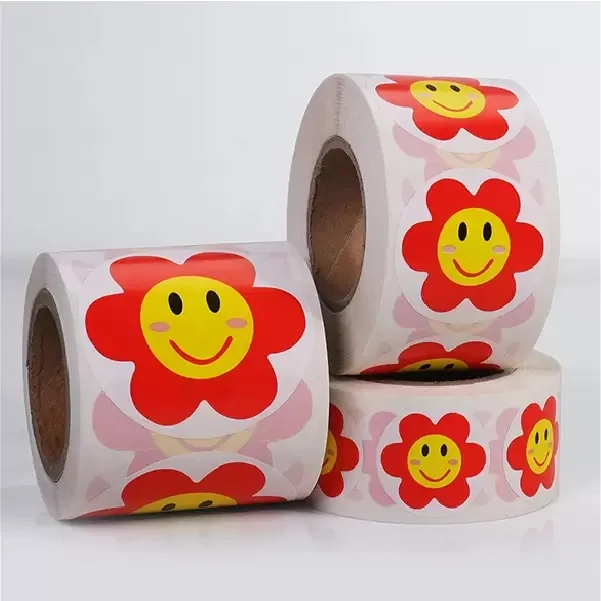
So, how should you evaluate a custom label manufacturer before placing an order?
The first thing to consider is whether the supplier has real manufacturing capabilities rather than simply outsourcing most of the work.
A capable custom label manufacturer should be able to support the key stages of production, including artwork preparation, material selection, printing, die cutting, finishing, inspection, packing, and delivery. When these processes are properly coordinated within one production system, it becomes easier to control quality and respond to changes in specifications.
This is particularly important for custom projects. A label may require a specific size, shape, adhesive, surface finish, roll direction, or special printing effect. If different stages are handled by unrelated suppliers, communication problems can result in inconsistent colors, incorrect cutting, unsuitable materials, or delivery delays.
Wenzhou Baihengyu Printing Co., Ltd., established in 2010, operates as an integrated printing and packaging manufacturer in Wenzhou Economic and Technological Development Zone, Zhejiang Province. Its capabilities cover creative design, printing production, post-processing, and logistics, allowing customers to manage different printing and packaging requirements through one supplier.
Material selection is one of the most important parts of custom label production. A label designed for a dry cardboard package may not be suitable for a refrigerated beverage bottle, a cosmetic container, or an industrial product.
Common label materials include coated paper, thermal paper, synthetic paper, PVC, PET, matte silver materials, and destructible paper. Each option has different characteristics in terms of appearance, durability, moisture resistance, flexibility, and printing performance.
For example, paper labels can work well for many dry products and general packaging applications. Synthetic materials such as PET and PVC can be considered when greater durability or resistance to moisture and handling is required. Destructible paper can be useful for applications where tamper evidence is important.
A professional manufacturer should not simply ask, "Which material do you want?" It should also ask where the label will be used.
Before selecting the material, provide information such as:
These details help the manufacturer recommend a more suitable label construction. Industry guidance also emphasizes matching the face material and adhesive with the actual application environment rather than choosing materials based only on appearance.
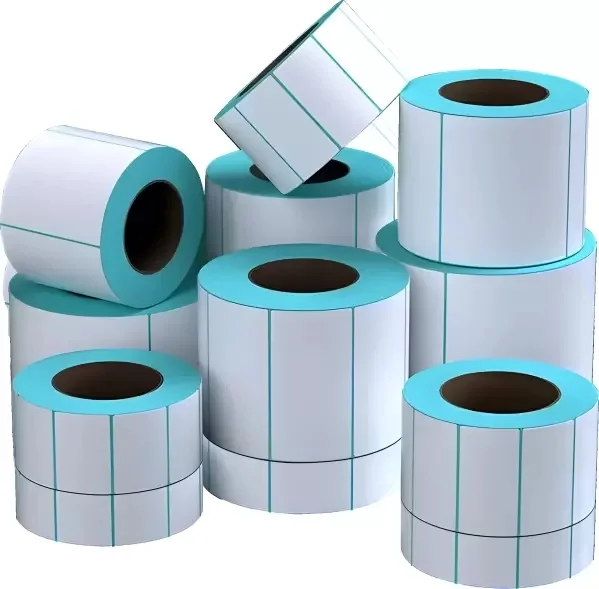
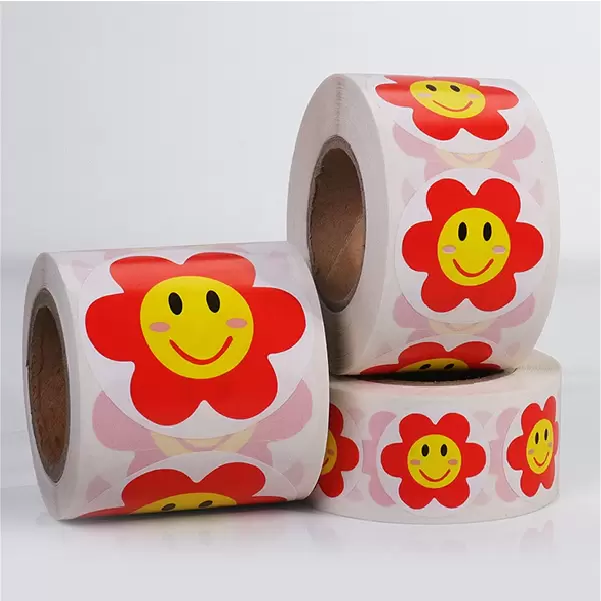
For businesses looking for different options, self-adhesive labels can cover a wide range of product packaging and industrial applications.
The adhesive is easy to overlook because it is hidden behind the label. However, it plays a major role in whether the finished product performs properly.
Wenzhou Baihengyu Printing Co., Ltd. can provide different adhesive solutions, including oil-based adhesive, hot-melt adhesive, and water-based adhesive. The appropriate option depends on the label material, application surface, environmental conditions, and expected performance.
For example, a label applied to a smooth bottle may require different adhesive performance from one applied to a rough carton. Labels used in humid, cold, or high-contact environments may also require more careful adhesive selection.
A reliable manufacturer should therefore ask about the actual application conditions before confirming the material and adhesive combination.
If the supplier immediately recommends a standard adhesive without asking about your product, surface, temperature, or storage conditions, it is worth asking for more technical information before moving forward.
A good label manufacturer should be able to produce more than basic four-color printing.
Depending on the product positioning and application, brands may need hot stamping, spot UV, lamination, embossing, special die cutting, variable data printing, anti-tampering features, or anti-counterfeiting processes.
These finishing options can serve different purposes.
Lamination can help protect the printed surface from handling and environmental exposure. Hot stamping can create metallic visual effects for premium packaging. Spot UV can highlight logos or selected design elements. Embossing can add a tactile effect. Variable data printing can be used when individual labels require different numbers, codes, or product information.
Baihengyu has a complete range of printing, die-cutting, and post-processing equipment and supports these types of customized processes. This is useful for customers who need labels and other printed packaging materials to maintain a consistent visual style.
A reliable manufacturer should have a clear quality inspection process rather than checking only the finished products.
For custom labels, quality control can include:
This is especially important for repeat orders. A label that looks correct during the first production run but changes noticeably during later orders can create problems for brands with established packaging standards.
Baihengyu has established a quality inspection system covering the process from incoming raw materials to finished-product delivery. This provides a practical foundation for maintaining consistent production rather than relying solely on final inspection.
Never judge a custom label manufacturer only from digital artwork or a product catalog.
A sample allows you to check whether the selected material actually works with your packaging. You can examine the printing clarity, color, surface texture, adhesive performance, cutting accuracy, and overall appearance.
For example, apply the sample to the actual container and leave it under conditions similar to normal storage and transportation. Check whether the edges lift, whether the label wrinkles, whether the adhesive performs properly, and whether the printed information remains clear.
Sample testing is especially useful when you are using a new material, curved container, special adhesive, or complex finishing process. Professional label suppliers commonly recommend testing the complete label construction on the actual package before moving to larger production.
Baihengyu provides sample-making services, allowing customers to confirm the product before proceeding with production.
Your purchasing requirements may change over time. A new product may initially require a small sample order, followed by regular production and eventually larger export orders.
Therefore, it is useful to work with a manufacturer that can support different production quantities and specifications.
Baihengyu provides one-stop services from small-batch sample orders to large-volume export orders. This flexibility can be useful for companies launching new products, testing packaging designs, or managing multiple SKUs.
Instead of selecting a supplier only for one order, consider whether the manufacturer can support your product as the business develops.
Label requirements vary significantly between industries.
Food and beverage products may require clear and durable product information. Cosmetics often place greater emphasis on appearance and finishing. Electronic and hardware products may require durable identification labels. Industrial chemicals may require labels that can withstand demanding handling conditions. Logistics and warehousing applications may focus more on clear information, barcode readability, and reliable adhesion.
Baihengyu's products are used in food and beverage, daily chemical and cosmetics, pharmaceutical and healthcare, electronics and hardware, industrial chemicals, logistics, and warehousing applications.
This range of experience can help a manufacturer understand that the same label specification does not necessarily work for every product.
Manufacturing quality is important, but communication can determine how smoothly a custom order progresses.
Before production, the manufacturer should be able to clearly confirm specifications such as:
If specifications change, the supplier should update the production information rather than relying on informal communication.
Baihengyu provides design support, sample production, customized quotations, and order tracking. Its approach is based on understanding customer requirements before production and maintaining communication throughout the order process.
The best long-term supplier is not necessarily the one that offers the largest product catalog. It is the manufacturer that can consistently produce the required label quality, understand your application, communicate clearly, and adapt as your requirements change.
Wenzhou Baihengyu Printing Co., Ltd. has been engaged in the printing and packaging industry since 2010. Its production scope covers self-adhesive labels, brochures, instruction manuals, packaging boxes, gift boxes, commercial printing products, and other customized packaging materials.
With standardized production facilities, printing and die-cutting equipment, multiple material and adhesive options, and a quality control system covering the entire production process, Baihengyu provides a practical manufacturing solution for businesses looking for customized labels and related printed products.
Choosing a reliable custom label manufacturer should start with the actual requirements of your product rather than simply comparing catalogs.
Look at the manufacturer's production capabilities, material selection, adhesive options, printing and finishing technology, quality control system, sample process, order flexibility, industry experience, and communication service.
Most importantly, make sure the manufacturer understands where and how your labels will be used. A well-designed label is only successful when it also performs properly after it leaves the printing factory.
For businesses that need customized labels for food, cosmetics, healthcare, electronics, industrial products, logistics, or other applications, working with an experienced manufacturer such as Wenzhou Baihengyu Printing Co., Ltd. can simplify the process from design and material selection to production, inspection, and delivery.