










Which custom label suppliers should distributors consider for wholesale orders?
Oct 21, 2026
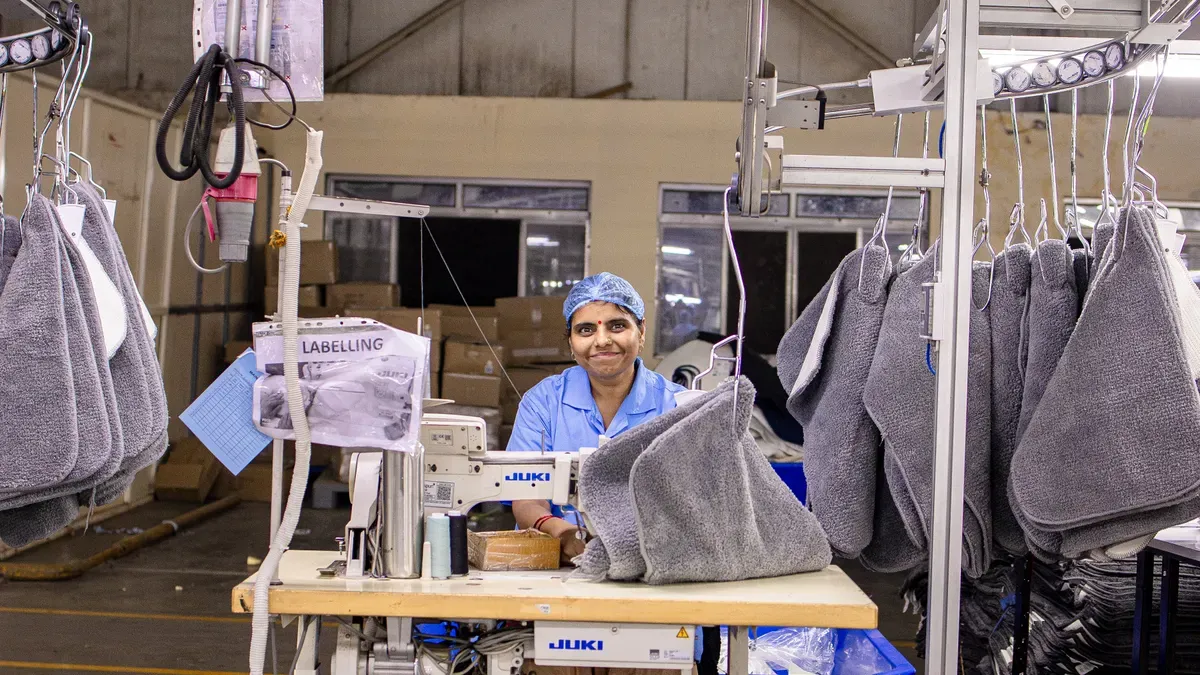

Who are the best one-stop printing and packaging manufacturers for growing consumer brands? The top ones include WestRock, International Paper, Amcor, ProAmpac, Printpack, ePac, Packlane, UPrinting, Refine Packaging, and Wenzhou Baihengyu Printing Co., Ltd. They provide full services, scalability, rigorous quality control, and fast support. The custom box market is projected to reach $8.5 billion by 2034, highlighting major opportunities for brands that choose a reliable partner. These companies handle everything from design to delivery, simplifying your supply chain, saving time, and reducing errors. As you grow, consistent quality becomes essential. Comparing these manufacturers against your volume and goals helps you make the right choice. Growing brands need a partner that can scale with them without sacrificing quality. This guide outlines their key strengths and how to select the best one for your brand.
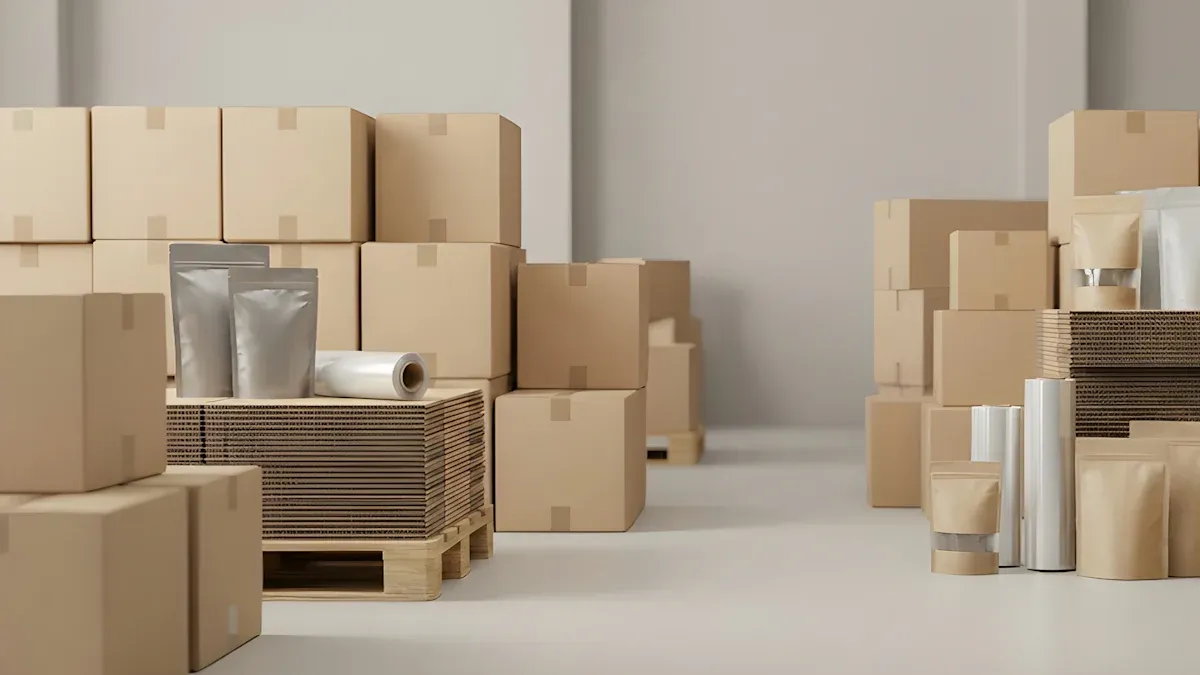
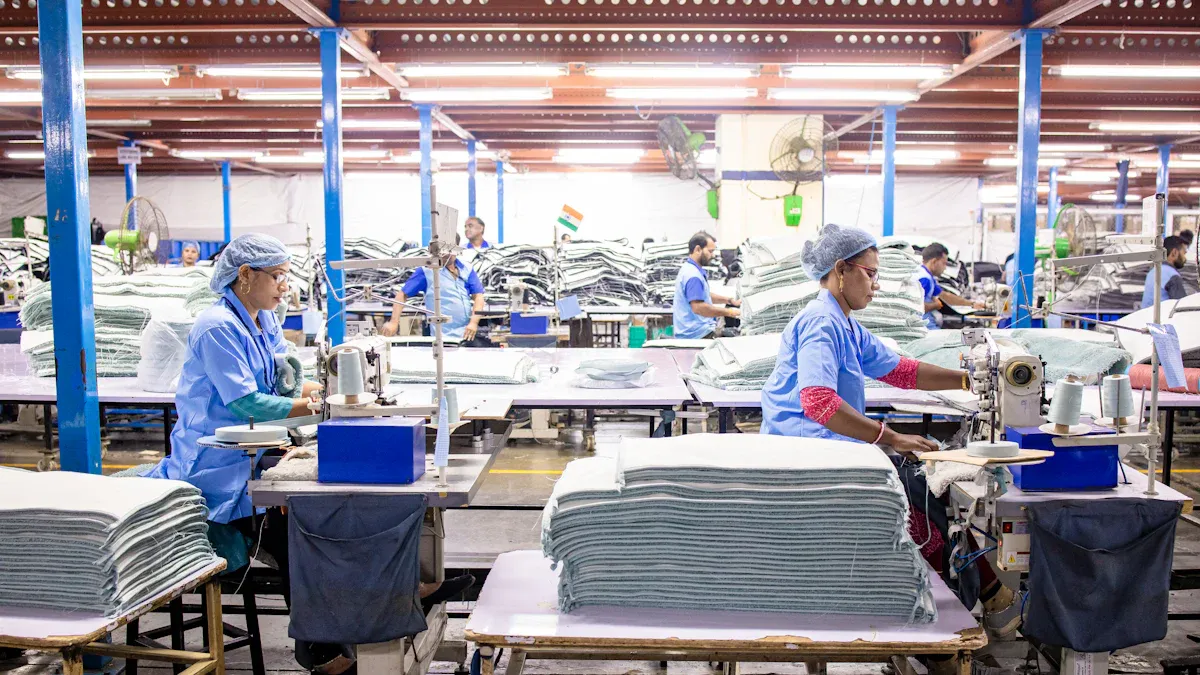
A real one-stop partner does design, printing, and shipping all in one place. You hand over your artwork and your deadline. They manage the rest. That is the key promise for every name on this list, and it is the rule you should use to measure each candidate.
The best custom packaging maker does more than just print. They help your project from idea to shipping. This includes design help, prepress checks, material choice, custom printing, converting, and shipping coordination. When you work with one team, nothing gets lost between different suppliers.
Now think about using different suppliers for boxes, labels, and inserts. A lower price from one supplier usually does not mean a lower total project cost. Every time you switch to a new supplier, you add tech, business, and communication risks. Most production issues start during design, not making. Using many sources creates hidden costs from extra samples, design changes, delays, and long approval times. The true cost of many vendors is the risk of coordination, not the cost of making the product.
The choice between one-stop and many suppliers is clear in your daily work:
| Cost Factor | Multi-Vendor Sourcing | One-Stop Procurement |
|---|---|---|
| Administrative effort | High (multiple invoices, POs, contacts) | Low (single point of contact) |
| Quality consistency | Variable across vendors | High under one quality system |
| Shipping cost per unit | High (multiple LCL shipments) | Low (consolidated FCL shipments) |
| Risk of delay | High | Low |
| Warehousing/handling fees | Higher due to multiple receipts | Lower due to fewer shipments |
| Compliance management | Fragmented records, multiple audits | Unified certification, single audit |
Combining your spending also gives you more power. One big account helps you get better material prices and priority when supplies are short. You also avoid paying for extra prototypes and make payment terms simpler.
Growing brands need small early orders and big later orders. A partner that can't do both will make you switch suppliers at a bad time. Minimum order amounts differ a lot by packaging type, material, and complexity. In cosmetics, typical MOQs run from 5,000 to 20,000 units, and large first orders often start at 10,000 units per SKU. For most box styles, you can find minimums starting at 500 units, with flexible manufacturing from 500 to 50,000+ units.
Othilapak states that typical MOQs in cosmetic packaging range between 5,000 and 20,000 units, and that large upfront orders often start at 10,000 units per SKU.
Half Price Packaging offers a minimum order quantity starting at 500 units for most box styles, with scalable manufacturing ranging from 500 to 50,000+ units.
In-house printing and clear delivery times show reliability. A single vendor who handles all parts – bottle, cap, label, box – makes sure everything arrives on your timeline. You save weeks in your schedule and do not have to act as a middleman scheduling shipments from around the world. That is how you find the best printing services for your growth stage.
WestRock stands out among chipboard packaging companies because it has deep roots in paperboard and chipboard production. The company serves retail and consumer markets with folding cartons, corrugated boxes, and display units. You see their work on grocery shelves every day. Their printing capabilities cover high-volume runs with consistent color and structural integrity. Brands that need millions of units per year trust WestRock for that reliability.
International Paper brings massive scale to the table. As one of the largest packaging producers globally, the company runs mills and converting plants across many continents. That footprint means you get stable supply even when demand spikes. Their chipboard packaging partners benefit from vertical integration, which keeps quality tight from raw material to finished carton. For consumer brands entering big-box retail, this level of infrastructure matters.
These two rank as the best CPG chipboard packaging companies for a specific reason. They do their best work when your order volumes reach hundreds of thousands of units. Retail buyers at national chains expect packaging that meets strict durability and print standards. WestRock and International Paper deliver that consistency at scale.
However, these chipboard packaging companies may not suit early-stage startups. Their minimum order quantities often start high, and their onboarding process takes time. If you are still testing designs or running small batches, you might find better flexibility elsewhere. Think of them as your next step. Once your brand secures national distribution and your packaging needs stabilize, these folding carton manufacturers become strong candidates. They offer the printing quality and packaging volume that large retail accounts demand. For growing brands with proven demand, they provide a dependable path to scale.
Amcor, ProAmpac, and Printpack are among the top flexible packaging companies. They serve global consumer, agricultural, and medical markets. Their main focus is flexible formats like pouches, films, and rollstock. For growing consumer brands, flexible packaging is a strong way to stand out on retail shelves. Unlike corrugated boxes or rigid containers, a custom pouch or stand-up bag gives you special chances to be different. You can do this through design, material, and functionality.
Each company has extensive printing capabilities. Amcor works globally with a wide range of flexible and rigid formats. ProAmpac focuses on flexible solutions and new ideas in printing. Printpack serves food, beverage, and personal care markets. They use high-quality films and pouches. All three offer in-house design support, material selection, and advanced printing methods like flexography and rotogravure.
Flexible formats make your product stand out in several ways. A creatively designed pouch with unusual shapes or tactile materials pulls eyes away from competitors. Transparent windows let consumers see the product directly. This builds trust through transparency. Color psychology also affects choices. Red can signal excitement, blue conveys trust, and green suggests natural ingredients. Picking colors that match your brand identity boosts shelf appeal. Cohesive branding across logos, colors, and typography makes your product easy to recognize. Interactive elements like QR codes or augmented reality features add energy to the shopping experience. Sustainable materials appeal to environmentally conscious consumers. They build loyalty over time. Studies show customers spend only 20 seconds scanning a shelf for a product type. With so little time, your packaging must grab attention quickly to drive purchase decisions.
These companies suit scaling brands for several reasons. They handle high-volume runs with consistent quality across every batch. Their global footprint ensures reliable supply even during demand spikes. Flexible materials also reduce shipping weight compared to rigid alternatives. This lowers logistics costs.
However, growing brands should check minimum order quantities before committing. These leaders typically serve mid-to-large volume accounts. If you are still testing designs or running small batches, consider a more flexible partner first. Once your brand secures consistent demand, these manufacturers provide the quality and capacity to scale. Their product packaging covers everything from initial design to final delivery. This reduces complexity in your supply chain. Working with one partner who handles all aspects simplifies coordination and saves significant time.
ePac was built on digital printing. This way of printing removes the plate costs and setup fees that make old-style printing pricey for small runs. You can order a small batch of flexible packaging without buying thousands of units. That freedom lets you test designs, launch special editions, or enter new markets without locking up money in inventory.
Digital printing changes the cost setup for custom packaging printing services. You skip the fixed upfront costs of plates and setup. Short runs make money instead of causing trouble. You also cut waste because you print closer to real demand. Here is how the two methods compare:
| Cost Factor | Traditional Printing | Digital Printing |
|---|---|---|
| Upfront costs | High due to printing plate creation | Eliminated; no plates required |
| Small-batch suitability | Poor; plates make small runs expensive | Cost-effective for small batches and test runs |
| Design changes | Costly and time-consuming after plates are made | Flexible; no plate remake needed |
| Lead times | Longer setup times | Faster turnaround for on-demand printing |
| Waste risk | Higher due to large upfront runs | Reduced; minimizes leftover or outdated stock |
Refine Packaging works with startups, midsize companies, and large brands. The company runs every step of production in-house. No part of the process goes to outside vendors, whether you order the minimum 100 pieces or 10,000. That range gives you room to grow without changing custom packaging providers.
As a leading packaging manufacturer, we oversee and control every aspect of production. No part of the process is outsourced, whether you order the minimum 100 pieces or 10,000.
Turnaround matters when you launch a product. Refine Packaging offers a standard completion time that keeps your timeline on track.
Our standard completion time is 8-10 business days following your approval of the final version of the custom box design.
That speed helps you move from idea to shelf quickly. For corrugated boxes and custom packaging printing, low minimums and fast lead times make these two companies strong choices for new brands.
Packlane and UPrinting both sell custom printed packaging with low minimums. Packlane says its HDPrintGloss options need an order of at least 50 units. You can also try a small test order of 1–10 custom Mailer, Shipper, or other box types. That range lets you check a design before you commit to a full run. UPrinting works in a similar way for corrugated boxes and other formats. You order what you need, not a warehouse full of stock.
Clear lead times and in-house printing make both companies dependable for small businesses. You know when your order ships. You know who prints it. That control matters when you launch a product or restock a popular item. These custom packaging printers handle short runs without the delays that come from outsourcing. For a new brand, that speed keeps your timeline on track.
Packlane and UPrinting are a strong first step before you move to larger manufacturers. You get professional custom packaging printing without the high minimums that big suppliers require. That makes them great for testing designs, running limited editions, or filling your first few hundred orders. You learn what works. You gather customer feedback. You improve your packaging.
When your volume grows, you can switch to a manufacturer with higher capacity. Until then, these two companies give you room to operate. They handle custom packaging for small and new brands with the same care as larger accounts. You avoid the risk of overordering. You also avoid the trap of working with a supplier who cannot scale down to your size. Think of them as your launch partner. They help you look professional from day one. That foundation supports your next stage of growth.
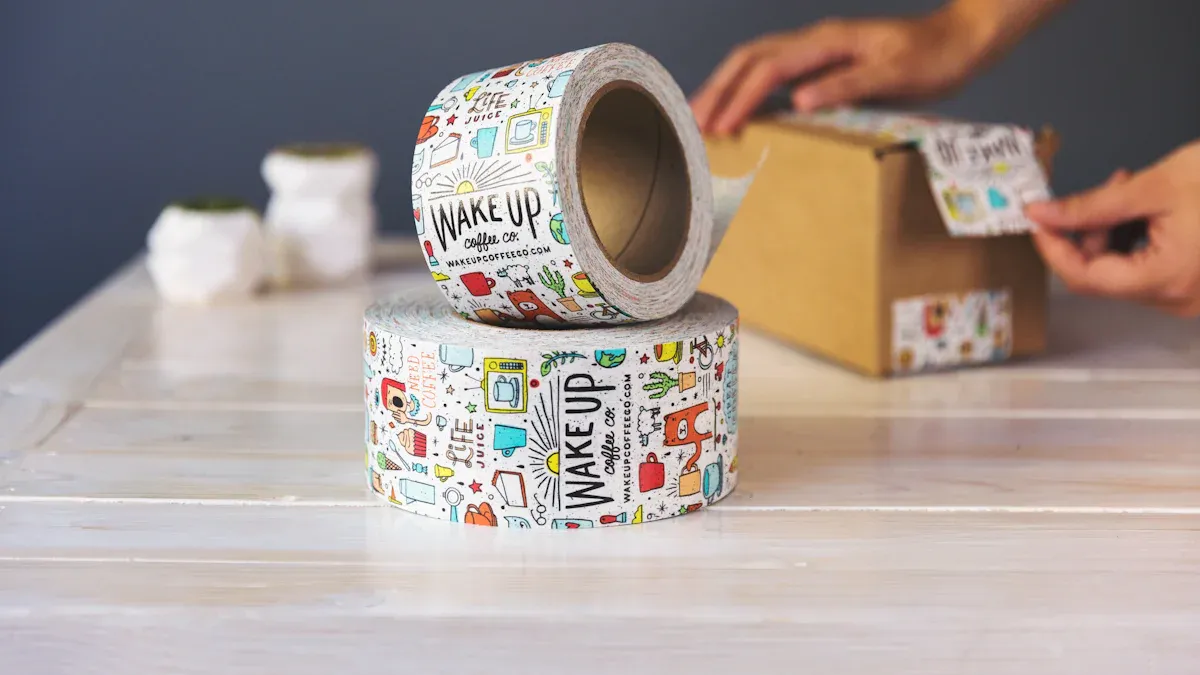
Wenzhou Baihengyu Printing Co., Ltd. began in 2010 in Wenzhou, Zhejiang. This company combines design, printing, converting, and logistics as a commercial printing and packaging solutions provider. You get a source manufacturer that manages many packaging parts under one roof.
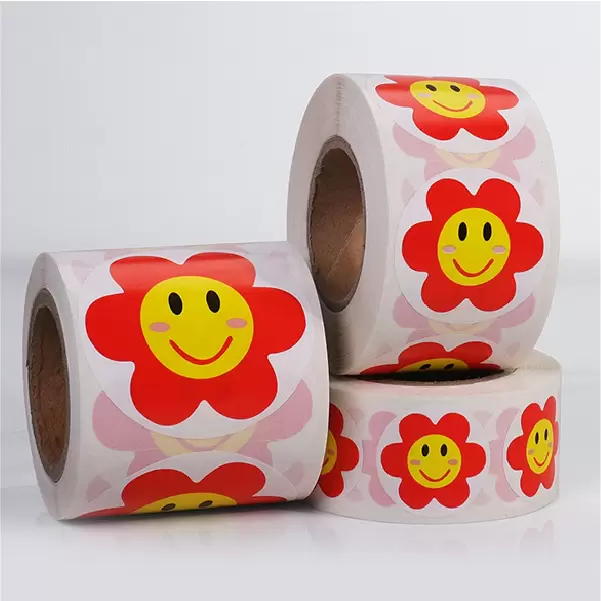
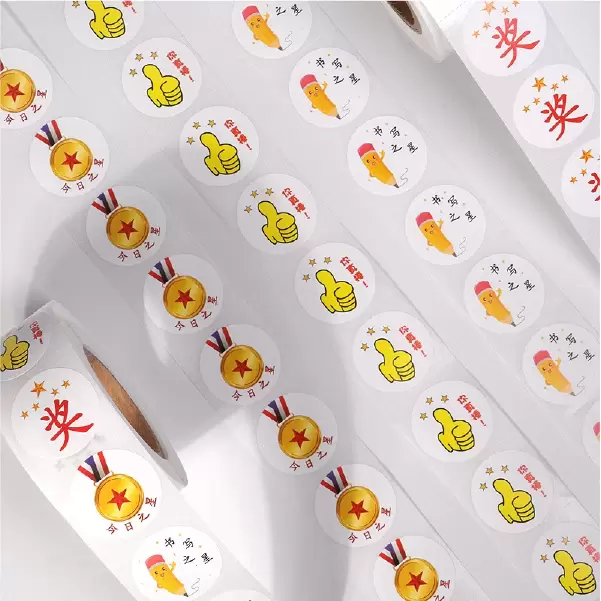
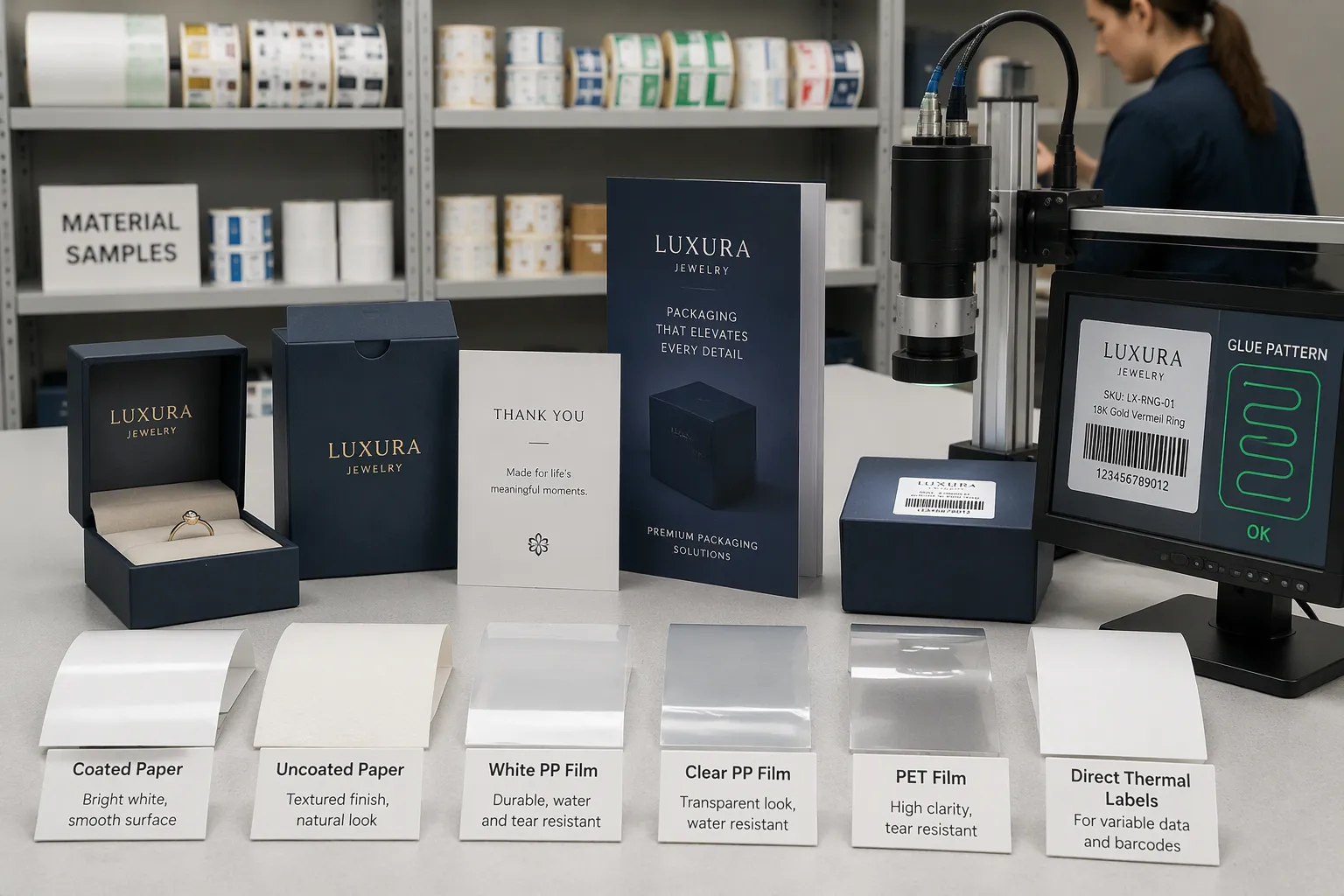
The company focuses on self-adhesive labels, brochures, manuals, packaging boxes, and commercial printing. You can get labels on coated paper, thermal paper, synthetic paper, PVC, PET, matte silver, and fragile paper. Adhesive choices include oil-based, hot melt, and water-based glues for different needs.
Baihengyu also makes food and cosmetic labels, appliance labels, anti-counterfeit labels, color boxes, gift boxes, product manuals, and carbonless forms. For electronics and appliance labels, the company supports laser anti-counterfeiting as a printing process. Food labels can have anti-counterfeit and anti-tear processing. These features help you protect your brand and keep products safe.
Finishing choices cover foiling, spot UV, lamination, embossing, die-cutting, and variable data printing. This range supports primary and secondary packaging printing for many industries. Your products can serve food and beverage, cosmetics, pharma, electronics, hardware, industrial chemicals, and logistics markets.
Baihengyu works as your commercial packaging printing partner from the first sample to the final export order. You receive free design help, sample production, custom quotes, and full order tracking. The company runs a complete quality inspection system from raw material intake to finished delivery.
Small batch samples and large export orders both fit the same workflow. This flexibility helps growing brands test designs early and scale later without switching suppliers. The company exports to several countries across Asia. If you need corrugated boxes, labels, or manuals, Baihengyu can manage the full project. You work with one team instead of many vendors. That setup saves time and reduces errors as your packaging needs grow.
You have your list. Now you need a clear way to compare each custom packaging manufacturer fairly. Four things show whether a partner helps you grow or slows you down.
Begin with minimum order amounts and how much they can produce. Ask each supplier two simple questions. What is your smallest order? What is your largest? A partner who cannot make small amounts forces you to buy too much stock. A partner who cannot make large amounts forces you to find a new vendor later. Both problems waste your time and money.
Get samples before you agree to anything. Samples show you print quality, how the material feels, and how true the colors are. You can judge if the material fits your brand. You can test if the finish lasts. A sample tells you more than any spec sheet can.
Look at the total cost, not just the price per unit. The unit price hides setup fees, plate charges, shipping, and storage costs. A low unit price with high setup costs hurts small orders. A higher unit price with combined shipping might cost less in the end. Figure out your final cost for each finished unit. That number guides your real choices.
Quality certifications also show if a company is reliable. Check which standards a packaging partner has.
| Certification | Purpose and Relevance |
|---|---|
| ISO 9001 | Quality management systems; ensures consistent processes and fewer defects |
| ISO 45001 | Occupational health and safety; supports stable, ethical supply chains |
| ISTA | Drop, vibration, and compression tests; confirms durability for shipping |
| FSC | Responsible forest sourcing for paper and cardboard packaging |
| BRCGS Packaging | Food safety, hygiene, and traceability for food-contact cartons |
These certifications tell you if a custom packaging printing partner has the right systems to give you the same good results every time.
Lead times can make or break your launch. Artwork changes can add days or weeks to each approval round. Tooling delays for custom die-cuts or embossing plates add one to three weeks. Material lead times change with what suppliers can handle. Quality problems mean you have to rerun the job. If even one part is missing, the whole production run can stop. According to PMMI's 2024 State of the Industry report, 75% of end users said delivery delays and part availability were their top worries.
Lengthy or unpredictable packaging lead times are more than an inconvenience; they're a significant business risk. If your packaging arrives late, you may miss product launch windows or fail to meet customer demand. This creates a bottleneck that disrupts production schedules, ties up cash flow in delayed or excess inventory, and can ultimately tarnish your brand's reputation.
Ask every candidate for a written lead time. Ask what happens if a delay occurs. Good support means you can reach a real person who fixes problems. Slow support means you lose weeks. For growing brands, clear lead times and quick answers are a must. These traits define the best printing services for your stage. They also separate packaging partners who grow with you from those who hold you back.
WestRock and International Paper are top chipboard packaging companies. They are the best CPG chipboard packaging companies for large retail orders. Amcor, ProAmpac, and Printpack offer flexible formats. ePac and Refine provide digital printing with low minimums. Packlane and UPrinting deliver fast turnaround. Their printing fits growing brands. Wenzhou Baihengyu handles labels and boxes. The answer to who are the best one-stop printing and packaging manufacturers for growing consumer brands? depends on your goals.
These CPG chipboard packaging companies and other packaging partners offer benefits for your packaging needs. Check scalability, quality, cost, turnaround, and support. Request samples from two or three manufacturers. Ask for written quotes. Test how quickly they respond.
Match your order size to what each company does best. WestRock and International Paper are good for big retail orders. ePac, Packlane, and UPrinting work well for small batches. Wenzhou Baihengyu takes care of labels and boxes from sample to export. Your growth stage tells you which one is right.
Switch when your order size gets too big for low-minimum choices. Packlane and UPrinting are great for testing designs. When your demand is steady, Amcor, ProAmpac, or Printpack can handle more. Plan the change before you run out of stock or miss deadlines.
Ask for samples first. Check the smallest order they take and the largest they can make. Get written delivery times. Compare the full cost, not just the price per item. Look for certifications like ISO 9001 or FSC. These steps show if a packaging partner helps you grow or holds you back.
Order samples from two or three companies. Compare color match, how the material feels, and how strong the finish is. Test how each printing method works with your design. A sample tells you more than any paper. Trust what you see and feel.