






How to Choose a Reliable Custom Label Manufacturer for Your Products
Sep 14, 2026
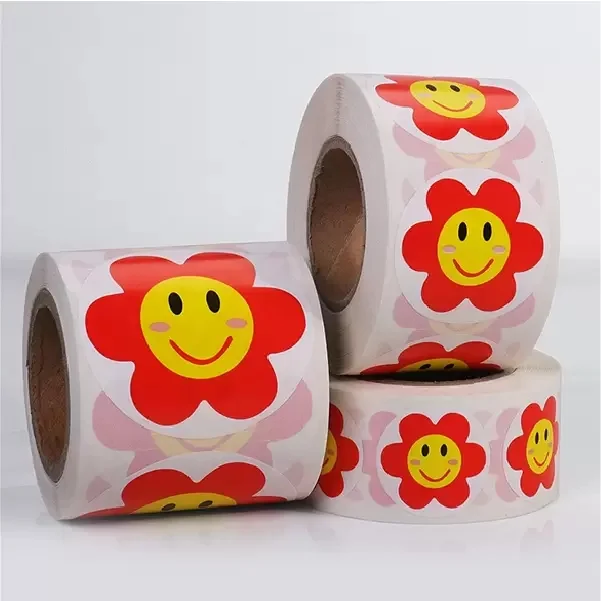
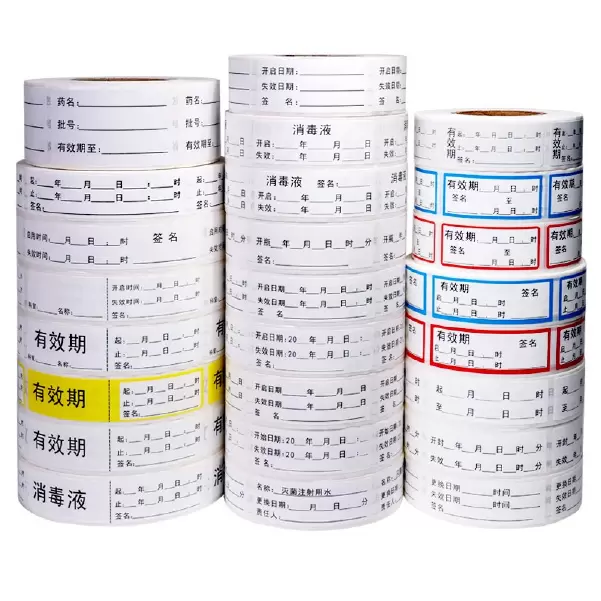
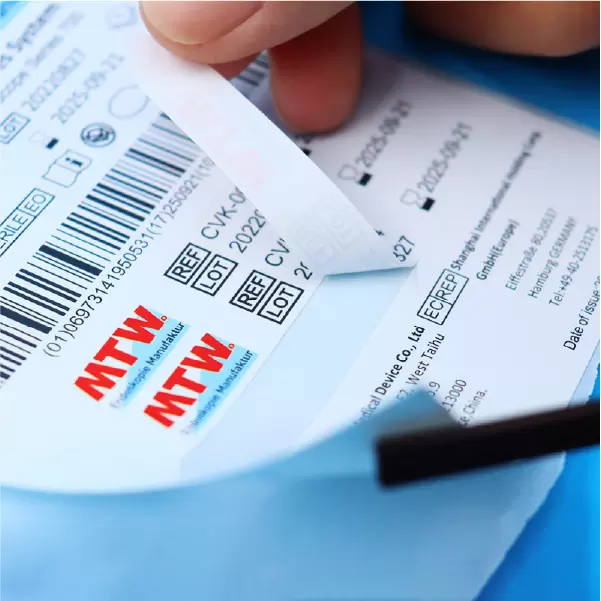
In the skincare industry, product packaging does more than protect a cream, serum, lotion, or cleanser. The label is often the first part of the package that customers notice. It communicates the product name, ingredients, usage information, brand identity, and other important details while also contributing to the overall appearance of the product.
For skincare brands, creating an effective label is not simply a matter of choosing a logo and printing it on adhesive paper. Different bottles, jars, tubes, and packaging materials require different label structures, adhesives, printing methods, and finishing processes. This is where a professional cosmetic label manufacturer can provide practical support.
From material selection and artwork preparation to printing, die cutting, finishing, inspection, and delivery, an experienced manufacturer can help brands turn a label concept into a finished product that works properly on the packaging.
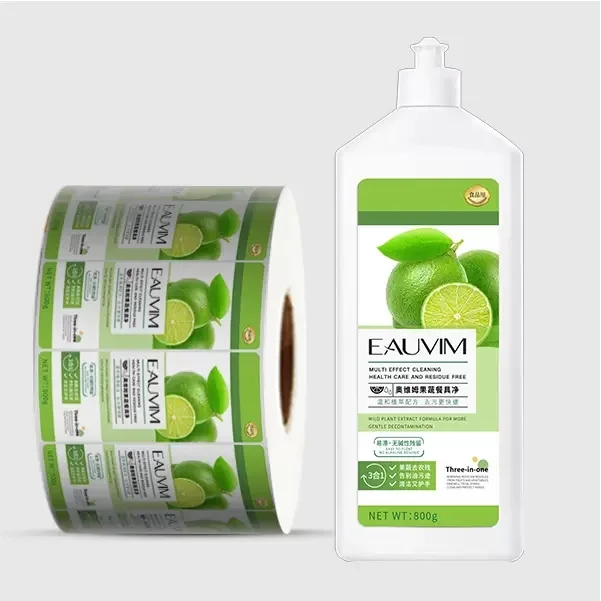
Before producing custom labels, a manufacturer needs to understand how the label will be used.
Skincare products can be packaged in glass bottles, plastic bottles, tubes, jars, pump containers, and other shapes. Some packages have smooth cylindrical surfaces, while others have curved edges or textured surfaces. The label must match the shape and surface characteristics of the container.
Environmental conditions also matter. A facial cleanser used in a bathroom, for example, may regularly come into contact with water and humidity. A body lotion may be exposed to oils or lotions during handling. If the wrong label material or adhesive is selected, the label may wrinkle, peel, or lose its appearance.
A professional manufacturer therefore considers several factors before production:
This practical evaluation helps avoid problems after the labels have already been produced.
Material selection is one of the most important steps in producing skincare labels. Different materials provide different levels of durability, appearance, flexibility, and moisture resistance.
Paper-based self-adhesive materials can be suitable for many standard cosmetic applications, especially when the packaging is used in relatively dry environments. They can provide a natural and cost-effective appearance and are available in different surface finishes.
For skincare products that require greater moisture resistance, synthetic materials can be considered. PET, PVC, and synthetic paper are commonly used when the label needs better resistance to moisture and handling.
For brands looking for a premium appearance, matte silver or other specialty materials can create a distinctive visual effect. Transparent label materials can also be used when the design requires a "no-label" appearance on clear bottles.
Baihengyu Printing offers a range of self-adhesive label materials, including coated paper, thermal paper, synthetic paper, PVC, PET, matte silver, and fragile paper. This range allows the material to be selected according to the actual application instead of using the same material for every product.
The adhesive is just as important as the face material.
A label may look excellent when it leaves the printing machine, but if it does not adhere properly to the container, the finished product will not meet the brand's requirements.
Different packaging surfaces may require different adhesive properties. Plastic, glass, metal, and coated surfaces can behave differently. Curved containers may also require an adhesive with sufficient initial tack and long-term adhesion.
Baihengyu Printing can provide different adhesive options, including oil-based adhesive, hot-melt adhesive, and water-based adhesive. The appropriate option can be selected based on the packaging material, application environment, and performance requirements.
For skincare brands, this is particularly important because many products are handled frequently and may be stored in bathrooms, cosmetic bags, retail displays, or other environments where labels need to remain firmly attached.
A cosmetic label manufacturer also helps transform a design file into a production-ready label.
A brand may already have its logo, colors, product name, and visual identity, but the artwork still needs to be checked for actual printing and die-cutting requirements. Important details include label dimensions, bleed areas, text readability, barcode placement, color consistency, and the position of logos and other graphic elements.
The shape of the container should also be considered. A label designed for a flat box may not work properly on a narrow cylindrical bottle.
This is why professional manufacturers can provide design and sample support before mass production. Baihengyu Printing provides services such as design assistance and sample production, allowing customers to check the actual appearance and application of a label before moving forward with larger production quantities.
Skincare products often compete on crowded retail shelves, so finishing processes can help a label create a more distinctive appearance.
Different techniques can be selected according to the brand's positioning and packaging design.
Hot stamping can be used to highlight logos, product names, or decorative elements with a metallic effect.
Spot UV can add gloss to selected areas while leaving other areas with a matte appearance. This creates visual contrast without requiring a complicated design.
Lamination can improve surface protection and provide different visual effects, including matte or glossy finishes.
Embossing can add a tactile element to logos, patterns, or product names, making the label more noticeable when touched.
Custom die cutting allows brands to create labels in specific shapes rather than relying only on standard rectangles or circles.
For skincare brands, these processes can be combined carefully. The objective is not to add every available finishing technique, but to choose processes that support the actual packaging design.
Cosmetic labels also need to carry practical product information. Depending on the product and market, this may include product names, ingredients, usage instructions, warnings, batch information, barcodes, and other identification details.
Some brands may require variable data printing for different batches or product versions. A manufacturer with variable data printing capabilities can produce changing information while maintaining the overall label design.
This is especially useful for brands managing multiple skincare products or different product variations. Instead of treating every label as an entirely separate production project, the manufacturer can establish a suitable production workflow for different versions.
Label quality depends on more than the final printing stage.
Problems can originate from the raw material, adhesive, printing process, die cutting, or finishing. For example, inconsistent material can affect color reproduction, while inaccurate die cutting can create problems during automatic label application.
Baihengyu Printing has established a quality inspection system covering the production process from incoming raw materials to finished products. Its standardized production workshop and printing, die-cutting, and post-processing equipment support consistent manufacturing across different types of orders.
For skincare brands, this means quality control can focus on practical details such as print clarity, color consistency, die-cutting accuracy, adhesive performance, surface finishing, and overall label appearance.
Not every skincare brand has the same production requirements. A new brand may first need samples for packaging development, while an established manufacturer may require large-volume label production for multiple product lines.
A flexible cosmetic label manufacturer should therefore be able to support different order stages.
Baihengyu Printing provides one-stop services from design and sample production to customized manufacturing, processing, inspection, and delivery. This allows customers to work through one production partner instead of coordinating every stage separately.
The company has been engaged in the printing and packaging industry since 2010 and is located in Wenzhou Economic and Technological Development Zone, Zhejiang Province. Its product range covers self-adhesive labels, cosmetic and daily chemical labels, food labels, electrical labels, anti-counterfeiting labels, packaging boxes, product manuals, and other commercial printing products.
For brands looking specifically for skincare packaging labels, its custom cosmetic and personal care labels can be developed according to the product packaging, material requirements, design specifications, and application environment.
One of the easiest ways to improve the label production process is to prepare a clear specification before placing an order.
A basic skincare label specification should include:
Providing these details gives the manufacturer a clearer understanding of the project and reduces unnecessary adjustments during production.
A cosmetic label manufacturer does much more than print artwork onto adhesive material. For skincare brands, the manufacturer can help select suitable materials, adhesives, printing methods, finishing processes, and label structures based on the actual packaging and application environment.
A practical approach is to start with the container and usage conditions, then determine the label material and adhesive, followed by artwork preparation, printing, finishing, die cutting, inspection, and delivery.
With its experience in commercial printing, self-adhesive labels, cosmetic and daily chemical labels, and customized post-processing, Wenzhou Baihengyu Printing Co., Ltd. provides an integrated production process for brands that need reliable custom labels for skincare products. By combining material options, production equipment, quality control, sample support, and customized manufacturing, a professional label supplier can help skincare brands create labels that are not only visually attractive but also suitable for real-world product use.