








How to Choose Self Adhesive Food Labels for Different Food Packaging Materials
Oct 5, 2026

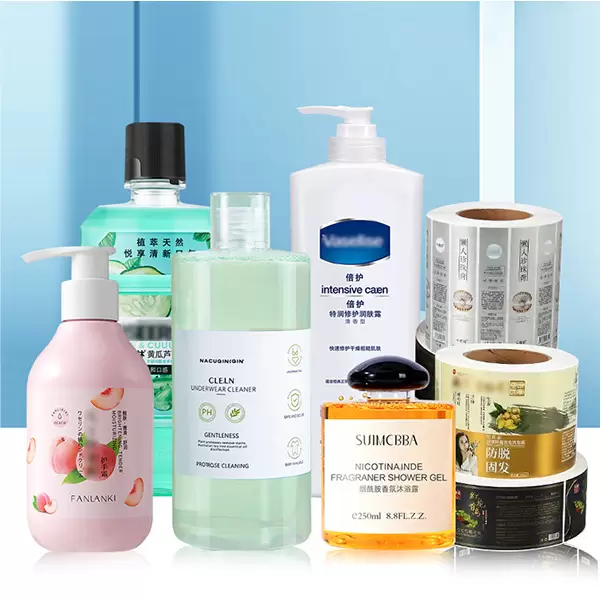
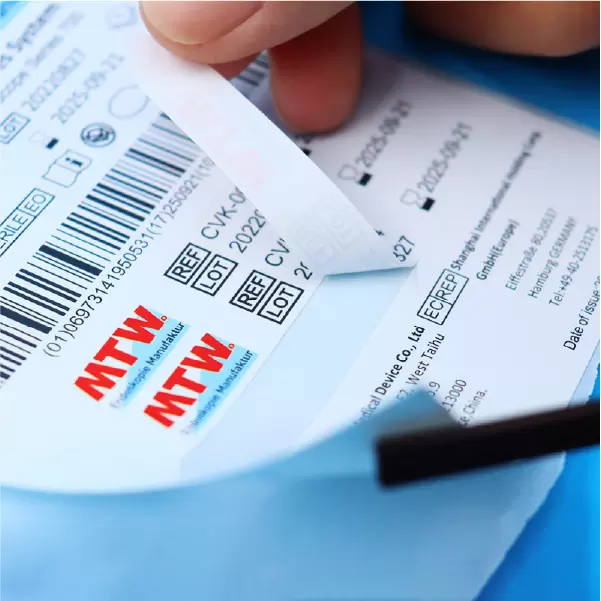
A cosmetic bottle label is more than a piece of printed information. It needs to present the brand clearly, withstand the environment in which the product is used, and remain securely attached to the bottle throughout its service life. For skincare, shampoo, lotion, serum, essential oil, and other personal care products, choosing the right label material is therefore an important part of packaging design.
Different cosmetic bottles have different surfaces, shapes, storage conditions, and usage requirements. A label that works well on a dry glass bottle may not perform equally well on a plastic bottle used in a humid bathroom. The right choice depends on the bottle material, surface shape, exposure to water or oil, printing requirements, and the desired appearance.
For brands developing custom cosmetic bottle labels, understanding the available materials can make communication with a label manufacturer much easier and help avoid problems during production and application.
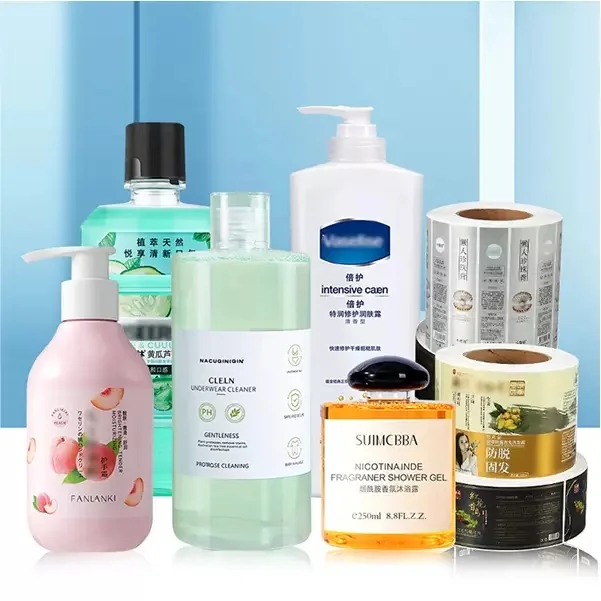
The first factor to consider is the bottle itself. Cosmetic packaging commonly uses glass, PET, HDPE, PP, acrylic, and other plastic materials. Each surface has different characteristics.
Glass bottles usually provide a smooth and stable surface, making them suitable for a wide range of self-adhesive label materials. They are commonly used for perfume, serum, essential oil, and premium skincare products.
Plastic bottles require more attention. Some plastic surfaces have lower surface energy, which can make adhesion more difficult. Flexible bottles can also create stress on the label when they are squeezed.
For these applications, the label manufacturer needs to consider not only the face material but also the adhesive. Choosing the correct adhesive system can help improve bonding performance and reduce edge lifting or label detachment.
Coated paper is one of the most commonly used materials for self-adhesive labels. It offers a smooth printing surface and works well with detailed graphics, product information, logos, and promotional designs.
Paper labels can be a practical option for cosmetic products that are mainly stored and used in dry environments. They are also suitable when the packaging concept emphasizes a natural, simple, or traditional visual style.
However, ordinary paper has limitations when exposed to water. If a skincare product is frequently used in a bathroom or if the bottle may come into contact with moisture, standard paper may wrinkle, absorb water, or lose its original appearance.
For this reason, paper labels should be selected based on the actual application rather than appearance alone. Surface finishing such as lamination can also be considered when additional protection is needed.
Synthetic paper is an alternative when a brand wants a paper-like appearance but needs better resistance to moisture and handling.
This material can be useful for cosmetic bottles that may be exposed to water during normal use. Compared with conventional paper, synthetic materials generally provide better dimensional stability and resistance to moisture.
For products such as body wash, shampoo, hand care products, and certain skincare items, synthetic paper can provide a practical balance between printed appearance and application performance.
The exact material specification should still be selected according to the bottle surface, storage environment, and expected product lifespan.
PET is another common option for cosmetic bottle labels where durability is important. It has good resistance to moisture and provides a stable surface for high-quality printing.
PET labels are particularly suitable for products that need a clean and durable appearance throughout transportation, storage, and daily use.
For example, a serum bottle may be handled frequently, placed in a bathroom, or exposed to small amounts of water and skincare ingredients. A PET label can be considered when maintaining the label's appearance under these conditions is a priority.
PET is also available in different visual finishes. Depending on the packaging concept, brands can choose clear, white, metallic, or other customized effects.
PVC is another material used for self-adhesive labels. It offers flexibility and can be considered for packaging with curved surfaces or applications where the label needs to conform closely to the container.
However, material selection should not be based only on flexibility. The shape of the bottle, label size, adhesive performance, printing method, and required appearance all need to be considered together.
A professional label manufacturer can evaluate the bottle structure and recommend a suitable combination rather than simply selecting a material from a standard list.
Transparent labels are increasingly useful for cosmetic packaging where the brand wants the bottle itself to remain visible.
Clear PET labels, for example, can create a "no-label" appearance when properly designed and applied. They can work well with transparent glass or plastic bottles containing clear, colored, or visually distinctive products.
However, transparent labels require careful consideration of printing colors and application conditions. White ink may be needed for certain designs, especially when the artwork contains light-colored text or graphics.
The bottle color and product color should therefore be considered before finalizing the label artwork.
The face material receives most of the attention, but the adhesive is equally important.
A cosmetic label can look excellent when it leaves the printing factory but still fail during actual use if the adhesive is unsuitable for the bottle surface or environment.
Different applications may require oil-based adhesive, hot-melt adhesive, or water-based adhesive. The choice can depend on the bottle material, surface energy, temperature, humidity, product contents, and expected storage conditions.
For example, a label for a dry glass container may have different requirements from a label applied to a flexible plastic bottle used in a humid bathroom.
A good supplier should ask about the application conditions before recommending an adhesive.
Material selection also affects the final appearance of the label.
Cosmetic brands often use finishing techniques to create a more distinctive package. Common options include hot stamping, embossing, lamination, spot UV coating, and precision die cutting.
Hot stamping can be used for metallic logos or decorative details. Embossing can add tactile effects to brand names or graphic elements. Spot UV can create contrast between glossy and matte areas.
For products positioned around clean, premium, natural, or technical aesthetics, the combination of material and finishing process should be considered as a complete packaging system.
For example, a matte PET label with selective UV coating may create a very different visual effect from a glossy coated-paper label with hot stamping.
Before ordering custom labels, brands should answer several practical questions:
These details allow the label manufacturer to recommend a more appropriate material and adhesive combination.
Material selection is only one part of producing reliable cosmetic bottle labels. Printing accuracy, die cutting, adhesive application, finishing, and quality inspection can all affect the final result.
Wenzhou Baihengyu Printing Co., Ltd. has been engaged in the printing and packaging industry since 2010. Located in Wenzhou Economic and Technological Development Zone, the company integrates creative design, printing production, post-processing, and logistics services.
Its product range includes self-adhesive labels made from coated paper, thermal paper, synthetic paper, PVC, PET, matte silver, and destructible paper. Different adhesive technologies, including oil-based adhesive, hot-melt adhesive, and water-based adhesive, are available for different applications.
Baihengyu also has standardized production workshops and equipment for printing, die cutting, and post-processing. Its capabilities include hot stamping, spot UV coating, lamination, embossing, die cutting, variable data printing, anti-tampering, and anti-counterfeiting processes.
This allows cosmetic brands to discuss material, adhesive, printing, and finishing requirements with one supplier rather than coordinating multiple production stages separately.
Choosing the right material for custom cosmetic bottle labels requires more than selecting the most attractive surface. The bottle material, shape, moisture exposure, handling conditions, adhesive requirements, printing method, and finishing effects all need to be considered together.
Coated paper can be suitable for dry applications and cost-conscious packaging concepts, while synthetic paper and PET may be better choices when moisture resistance and durability are important. PVC can be considered for certain flexible or curved applications, while clear PET can provide a clean, minimalist appearance.
The best material is ultimately the one that matches the actual packaging environment and production requirements. Working with an experienced label manufacturer can make this process more practical by testing the material, adhesive, printing effect, and finishing process before large-scale production.
For cosmetic and personal care brands, careful material selection at the beginning can help create labels that not only look good on the shelf but also remain functional and attractive throughout transportation, storage, and everyday use.