
What are the best label suppliers for brands that need frequent SKU changes?
Nov 3, 2026


What are the top label printing manufacturers for OEM and private-brand projects? In 2026, several manufacturers lead this space, including a top OEM label manufacturer, along with Printful, Avery Products Corporation, PrintRunner, and AIMO. These manufacturers stand out because of their size, deep customization, well-known certifications, and proven export experience. Demand for specialized private label work keeps going up. Brands now treat every label as a brand asset. The right oem supplier protects product integrity, meets retailer standards, and helps with a smooth market entry. An experienced partner also protects confidential designs and delivers steady quality across repeat runs. This matters most for private label programs that ship across borders. The sections below look at selection criteria, detailed profiles, a comparison, and practical guidance for choosing the best fit.
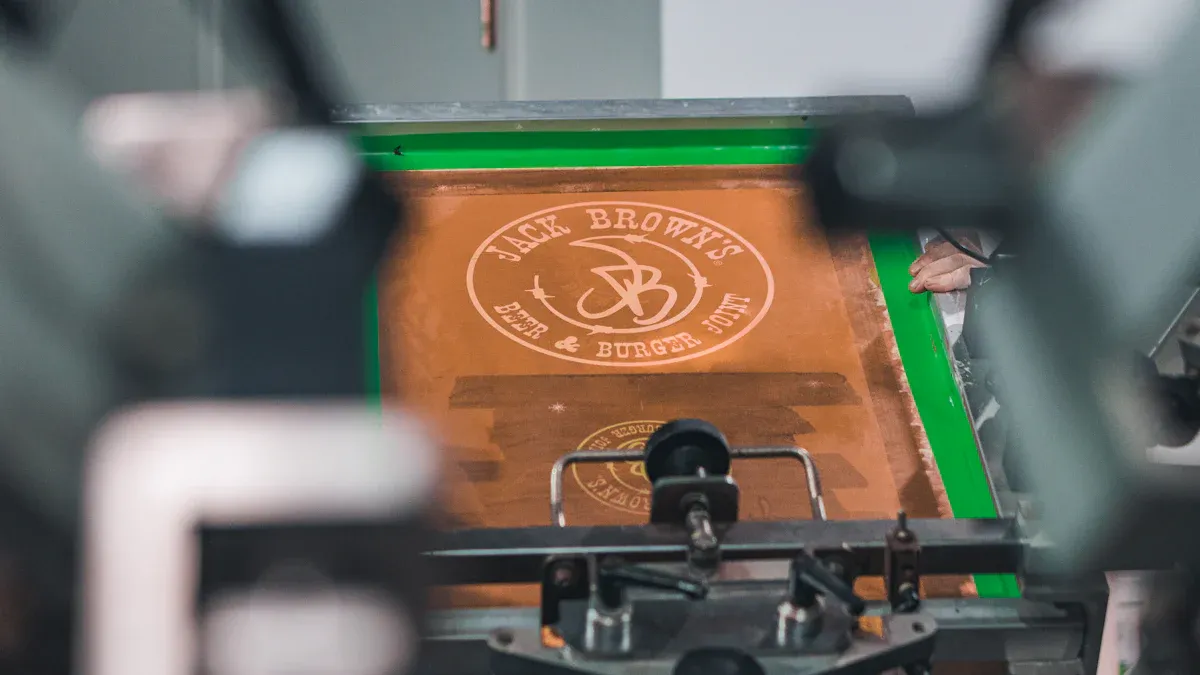
Picking a label supplier for OEM work takes careful thought. Buyers need to check quality standards, certifications, production capacity, scalability, customization options, and turnaround times. OEM and private label projects need stricter consistency and confidentiality than normal commercial jobs. A supplier that fails these checks can put product launches and brand reputation at risk.
Certifications prove a supplier's commitment to quality. Reputable OEM label suppliers hold ISO 9001 for quality management systems. Food and cosmetic labels need extra credentials like FDA 21 CFR compliance, BRCGS, or ISO 22000 for food safety. These certifications show the supplier follows strict material sourcing and production rules. For private label projects, certified suppliers offer traceability and batch consistency. Printed labels for consumable products must also meet substrate and ink safety requirements. Buyers should ask for current certificates and audit reports before approving a supplier. A supplier that invests in certification shows long-term reliability and regulatory awareness. The right printing technology matters too. Advanced flexographic or digital presses produce sharper registration and consistent color across runs. A private label brand gains from a supplier that invests in modern equipment.
Production capacity directly affects lead times and order fulfillment. Top-tier OEM label producers run high-volume facilities. Below is a capacity reference from a leading supplier:
| Metric | Value |
|---|---|
| Monthly production capacity | 350,000,000 pcs/month |
| Lead time (after sample confirmation) | 15–20 days |
| High-volume case reference | Over 50 million labels/month for a global dairy brand across 15 countries |
| On-time delivery rate | 100% over a 1-year period |
| Quality complaints | 0 |
| Backup production lines | 2 dedicated backup lines |
| MOQ | 2000 m² of label film |
| Certifications | FDA 21 CFR, BRCGS, ISO22000, QS |
A manufacturer with 350 million pcs per month capacity can handle a 1 million unit order with ease. That order is less than 0.3% of monthly output. Such orders do not strain production scheduling. The quoted 15–20 day lead time stays achievable. Lead time parts include film sourcing (1–3 days), printing (5–7 days), lamination (2–3 days), and slitting and inspection (2–3 days). Suppliers with backup production lines keep delivery reliable during peak periods. However, seasonal capacity crunches can stretch lead times by 30–50% during peak seasons. Buyers should book capacity early for large orders. For smaller runs, buyers should confirm the moq for custom printed cosmetic tubes and other product categories. Many manufacturers accept lower minimums for repeat orders or sample development. A private label program succeeds when the supplier matches capacity to order volume.
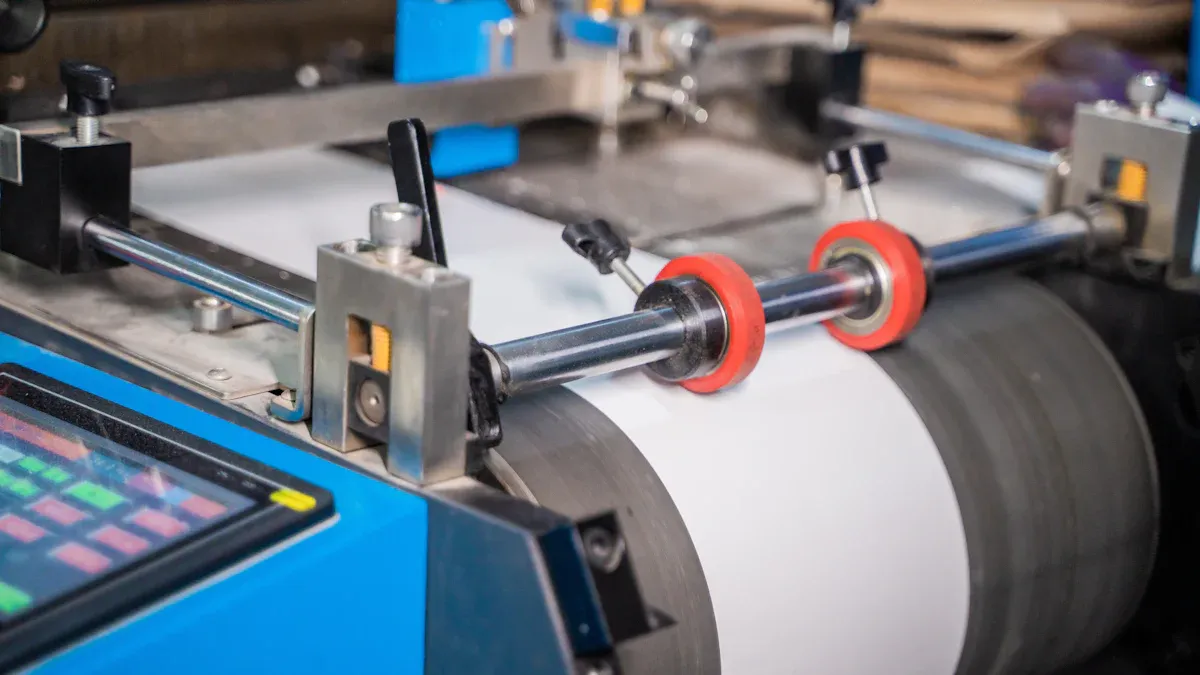
Wenzhou Baihengyu Printing Co., Ltd. is a label printing manufacturer offering OEM services. The company offers a range of label types for various industries.
The product range includes adhesive labels, food and cosmetic labels, anti-counterfeit labels, and color boxes. Material options cover a variety of paper and film substrates. Adhesive choices include different types to suit different applications. These options fit food and beverage, cosmetics, pharmaceuticals, electronics, and logistics uses.
Baihengyu also handles oem cosmetic tube labeling. The company offers various finishing techniques including spot UV, lamination, and die-cutting, as well as anti-tamper features.
Baihengyu emphasizes quality control and exports to multiple markets.
Printful, Avery Products Corporation, PrintRunner, and AIMO each serve different corners of the label market. Printful targets print-on-demand and private-brand merchandise. Avery Products builds durable industrial and retail labels. PrintRunner focuses on short-run custom printing. AIMO brings over 14 years of manufacturing expertise to portable retail label printing.
| Manufacturer | Location | Core Services | Ideal Use Cases |
|---|---|---|---|
| Printful | Charlotte, NC, USA | Print-on-demand, private-brand merchandise | Apparel, accessories, small-batch branding |
| Avery Products | Brea, CA, USA | Durable industrial and retail labels | Logistics, warehousing, retail compliance |
| PrintRunner | Canoga Park, CA, USA | Short-run custom printing | Promotional runs, prototypes, small orders |
| AIMO | China | Portable retail label printing | Retail tagging, in-store labeling |
These private label manufacturers differ from a full-service oem supplier like Baihengyu. Printful excels at low-volume merchandise work. Avery Products delivers rugged labels for harsh environments. PrintRunner suits quick-turnaround jobs. AIMO covers portable retail needs. A brand seeking cosmetic tube manufacturing at scale, however, will find Baihengyu's integrated model more suitable. Each oem cosmetic tube manufacturer in this group competes on different strengths. Buyers should match the partner to the project, not the other way around.
Labeling a cosmetic tube is not the same as general label printing. Tubes bend, curve, and sit in wet places. A label must stick to low surface energy plastics, fight off oils and alcohol, and stay lined up through squeeze cycles. The choice of substrate and adhesive decides how well it works.
| Substrate | Moisture Resistance | Chemical Resistance | Best Fit for Tubes |
|---|---|---|---|
| BOPP / PP | Strong | Moderate | Cleansers, lotions, hair care tubes |
| Polyester (PET) | Strong | Strong | Serums, sunscreens, aggressive ingredients |
| Paper (laminated) | Weak without laminate | Weak | Not recommended for waterproof tubes |
A cosmetic tube manufacturer must also match the adhesive to the fill. Oil-based products need clear BOPP with an oil-resistant adhesive. Alcohol-based products such as perfumes need BOPP or Yupo with alcohol-resistant permanent acrylic. High-humidity or direct water exposure calls for Yupo synthetic with marine-grade acrylics. PP and LDPE tubes carry low surface energy, so they require specialized LSE adhesives. Standard adhesives fail on untreated polypropylene tubes.
Wenzhou Baihengyu Printing Co., Ltd. works as a direct oem cosmetic tube manufacturer, offering suitable label materials for tubes. Its oem factory provides integrated services from design to delivery.
Choosing the right oem cosmetic tube manufacturer among several oem cosmetic tube manufacturers depends on MOQ, lead time, and finishing capabilities. For custom printed cosmetic tubes from China, the industry floor is 5,000–10,000 tubes per SKU with a stock body and cap. Printing plates cost about RMB 200–300 per design. Lead time runs 15–20 days from sample-tube approval. New brands should expect roughly 10,000 pieces per SKU for customized production. A private label cosmetic tubes manufacturer with in-house finishing can handle various finishing techniques.
A direct comparison helps buyers see how each supplier fits different needs. The table below covers capabilities, minimum order quantities, lead times, certifications, and ideal project types.
| Manufacturer | Capabilities | MOQ | Lead Time | Certifications | Ideal Projects |
|---|---|---|---|---|---|
| Wenzhou Baihengyu Printing Co., Ltd. | Label printing and manufacturing | Varies by project | Varies by project | Relevant food safety and quality certifications | Food and beverage, cosmetics, pharmaceuticals, electronics, logistics |
| Printful | Print-on-demand, private-brand merchandise | Low, per-item | Varies by product | Not specified | Apparel, accessories, small-batch branding |
| Avery Products | Durable industrial and retail labels | Moderate | Standard | Not specified | Logistics, warehousing, retail compliance |
| PrintRunner | Short-run custom printing | Low | Quick turnaround | Not specified | Promotional runs, prototypes, small orders |
| AIMO | Portable retail label printing | Moderate | Standard | Not specified | Retail tagging, in-store labeling |
Baihengyu holds appropriate food safety certifications, ensuring its labels meet regulatory standards for food and beverage projects. The company has demonstrated compliance in large-volume productions. These certifications let private label buyers feel sure about regulatory approval.
Food and beverage projects must follow strict rules. Baihengyu's certifications make it a suitable choice for such projects, with a track record of compliance and on-time delivery.
Cosmetics projects need flexible materials and waterproof adhesives. Baihengyu offers label solutions for tubes with in-house finishing capabilities.
Electronics and logistics projects need labels that last. Avery Products serves these areas well. PrintRunner is good for prototypes and short runs. Printful works for merchandise branding. AIMO covers retail tagging. Buyers who compare private label manufacturers should match the partner to the project scope. Each choice serves a clear purpose in the private label supply chain.
Smart buyers begin by knowing exactly what they need. They figure out the label material, adhesive type, print finish, order size, and budget before they talk to any supplier. A food brand needs FDA-compliant materials and food-safe adhesives. A cosmetic brand needs waterproof materials that stand up to oils and alcohol. An electronics company needs strong labels that can handle heat and rough handling.
Order size helps narrow down the list. A private label program with high monthly demand needs a supplier with big capacity and backup lines. A startup testing a new product may need lower minimums and faster samples. Budget means more than just unit cost. It also includes plate fees, setup charges, and shipping. Buyers should compare these factors with each supplier's strengths. Wenzhou Baihengyu Printing Co., Ltd. helps private label buyers who need a range of label solutions from one place.
Samples show what a spec sheet cannot. Buyers should ask for real samples printed on the exact material and adhesive they plan to use. They should test how well it sticks, how clear the print looks, and how long the finish lasts in real conditions. A cosmetic tube manufacturer must prove its labels stick to curved, flexible surfaces without peeling off.
Next comes checking certifications. Buyers should confirm ISO 9001, FDA 21 CFR, BRCGS, or ISO 22000 credentials directly with the supplier. They should also check order-tracking tools and after-sales support. A responsive oem cosmetic tube manufacturer offers design and sample support. These manufacturers earn trust by being open and honest. Buyers who compare private label suppliers on samples, certifications, and support make better choices. A private label partnership works when the supplier fits the project from day one.
In 2026, several companies lead the market, including a leading OEM label manufacturer, Printful, Avery Products, PrintRunner, and AIMO. Each one brings something different to private label work. One manufacturer provides full oem cosmetic tube manufacturing. Others specialize in merchandise, industrial labels, short runs, and retail tagging. Buyers should think about certifications, capacity, and lead times. The comparison and guidance above help you match a partner to your project. What are the top label printing manufacturers for oem and private-brand projects? The answer depends on what you need. These manufacturers serve different private label goals.
Ask for quotes, order samples, and talk to a procurement specialist to move your private label project forward.
A top-tier OEM label manufacturer holds FDA 21 CFR, BRCGS, ISO 22000, and QS certificates. The manufacturer offers food and cosmetic labels, anti-counterfeit labels, and color boxes, with integrated services. A private label brand gets one contact person from start to finish.
Buyers should ask for monthly output numbers, lead times, and backup line details. A leading manufacturer reports 350 million pieces per month and a 15–20 day lead time after sample approval. A private label program with high demand needs this kind of scale. Two dedicated backup lines keep delivery steady during busy seasons.
Cosmetic tubes bend, curve, and face moisture. A specialized oem cosmetic tube manufacturer uses flexible materials suitable for tubes. It also uses waterproof adhesives and tight registration. A leading manufacturer handles these needs under one roof. General printers often do not have this focused skill.
Yes. Many suppliers accept lower minimums for repeat orders or sample development. A leading OEM manufacturer offers free design help, sample production, and order tracking. New cosmetic brands should expect about 10,000 pieces per SKU for customized production. A private label partnership works when the supplier fits the project scope.
Several manufacturers lead in 2026, including a top OEM label manufacturer and others serving different needs. One manufacturer provides full oem cosmetic tube manufacturing. Others excel at merchandise, industrial labels, short runs, and retail tagging.