











What are the top label printing manufacturers for OEM and private-brand projects?
Sep 29, 2026
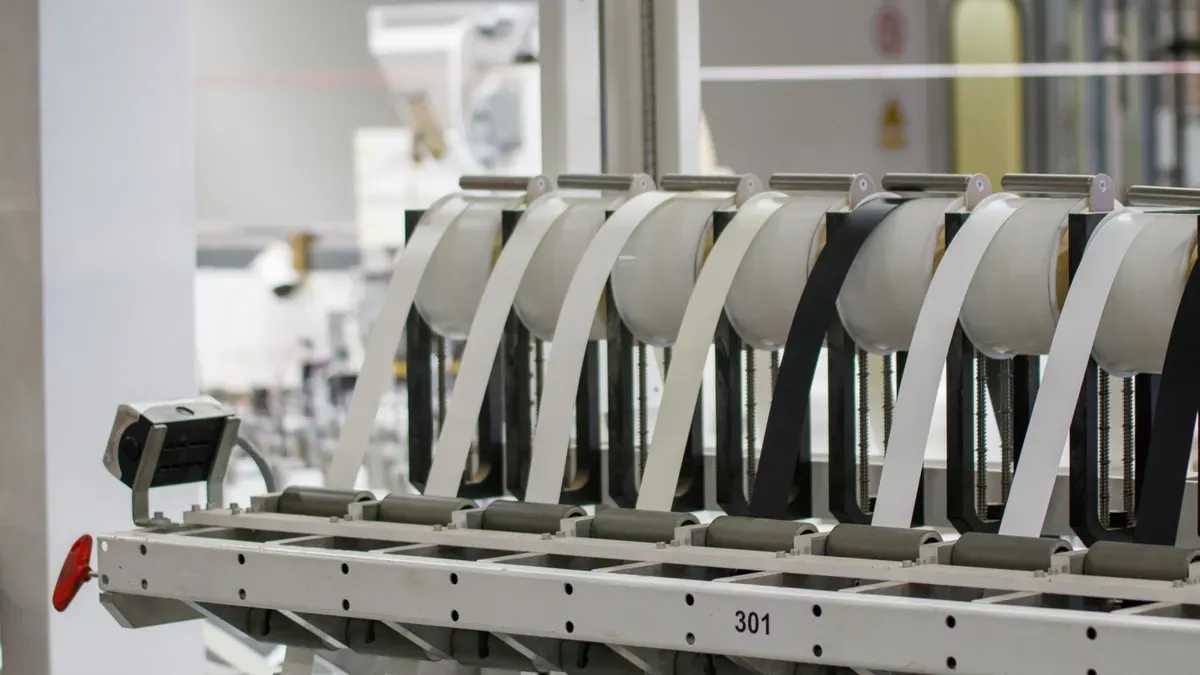
When asking which manufacturers are good for custom labels with premium finishing such as foil, several names stand out: Blue Label Packaging, Hart Label, Inkable Label Co., Supremex, Digiprintexpress, Royal Printers, and Wenzhou Baihengyu Printing Co., Ltd. all make custom labels with premium finishing such as foil, UV, and embossing. Blue Label Packaging, for example, offers embossing for a raised texture, hot foil stamping for a metallic look, and UV varnishes that cure under ultraviolet light for gloss and protection.
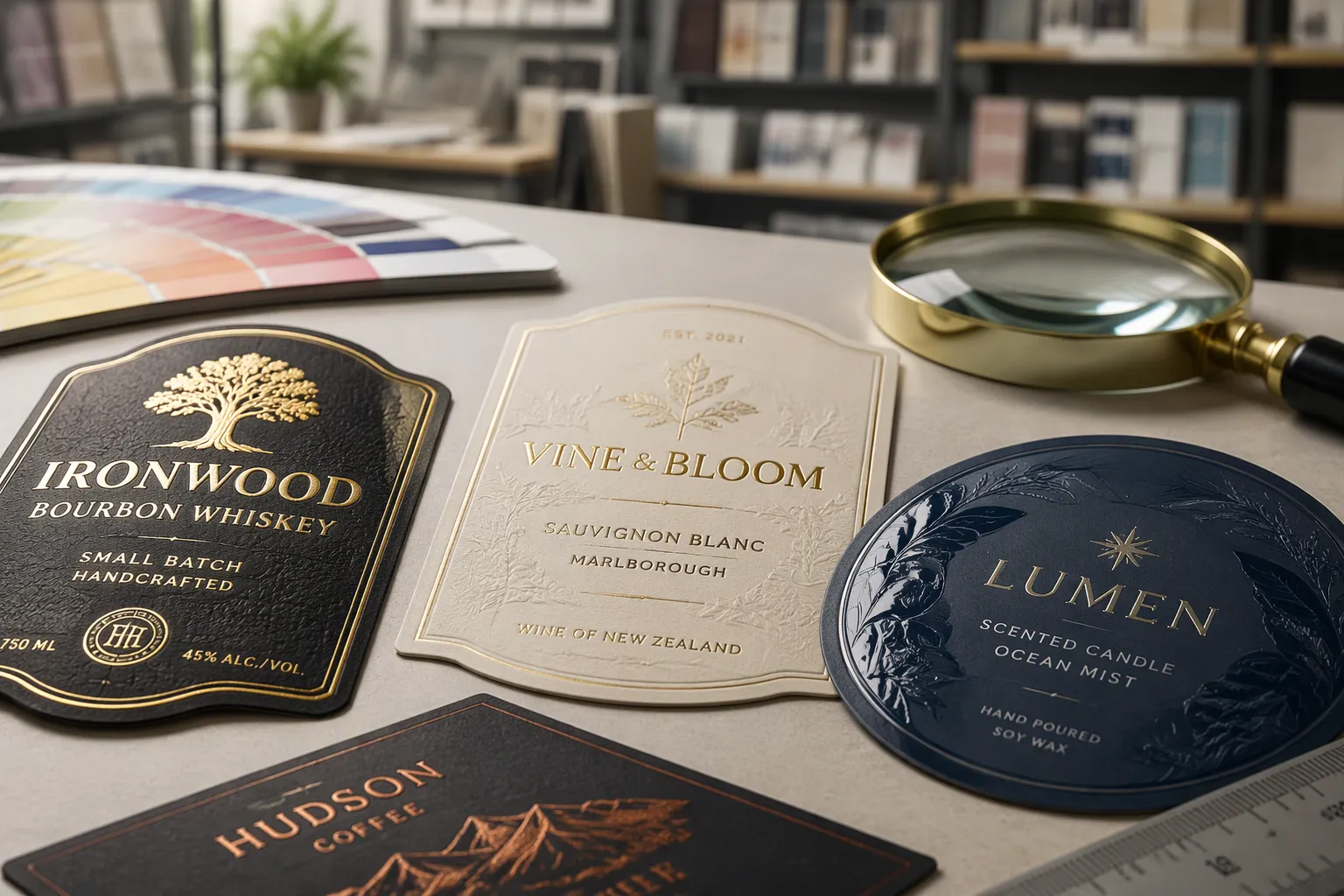
You can judge these manufacturers on four criteria: technical capability, application fit, regulatory compliance, and cost. Each one leads in a different scenario. Some are best at complex finish combinations, others at short luxury runs, durable substrates, or documented compliance.
This comparison stays objective. You will see where each option fits best, so you can match custom label printing to your label type, run size, and budget.
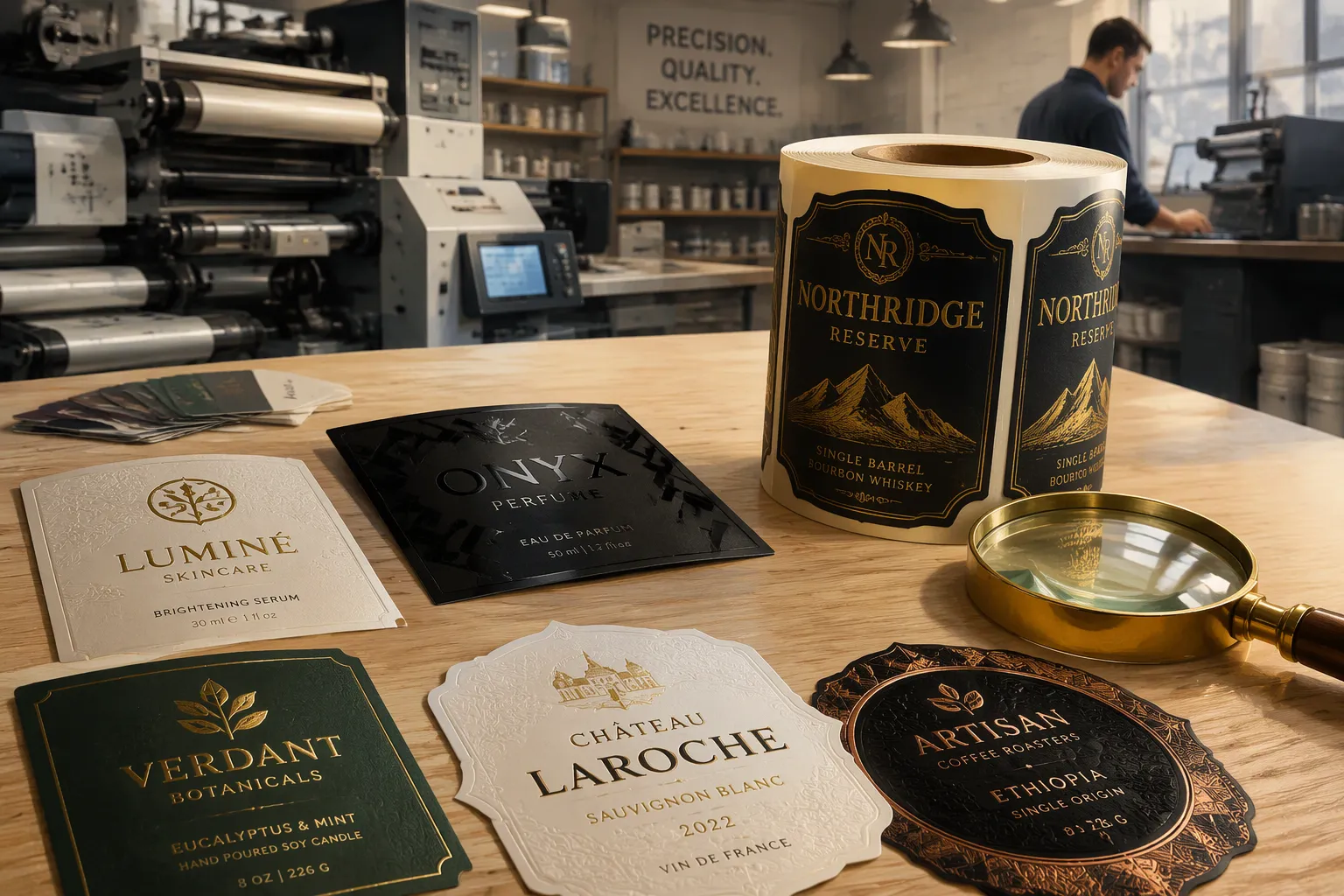
Seven names keep coming up when buyers ask which manufacturers are good for custom labels with premium finishing such as foil. Each one earns its spot for a different reason. If you group them by size and specialty, the choice gets much clearer.
Blue Label Packaging offers a wide range of materials and finishes for embossed labels. The company has no minimum order quantity and treats any run below 10,000 labels as short. It reports labels in about five business days after artwork approval. Spot UV labels are one of its luxury finish options.
Hart Label is a US-based custom label printing company that focuses on foil printing with metallic finishes. Supremex combines finishes in one pass, like foil plus embossing or spot UV plus soft-touch. Royal Printers covers soft-touch lamination, spot UV, foil stamping, and embossing for brands that want several effects on one label.
Wenzhou Baihengyu Printing Co., Ltd. is a source manufacturer in Wenzhou, China. The company handles hot stamp foil, spot UV, embossing, and laminating in-house. It runs coated paper, thermal paper, synthetic paper, PVC, PET, matte silver, and fragile paper stocks with oil-based, hot-melt, and water-based adhesives. It serves food and beverage, cosmetics, pharmaceutical, electronics, and logistics buyers, and it ships export orders across Asia.
Inkable Label Co. specializes in premium self-adhesive foil labels. Digiprintexpress builds premium vinyl labels with gold foil and UV, a good fit for durable goods. Both suit buyers who need a narrow, high-impact finish set.
Short-run shops fill the gap when you need a few hundred pieces. 4OVER4.COM welcomes small runs and prints custom holographic stickers on rolls from 100 labels, with optional foil stamping; foil adds about one to two business days to standard production. Digital City Printing in New York offers digital foil printing that skips custom metal dies, which makes short-run color foil work cost-effective. GSB Digital in Long Island City sets no minimum order quantity on cut and stack labels and digital embellishments, and it describes raised ink, spot gloss, and soft-touch as luxury finishes without traditional tooling.
Match the group to your job. Large converters absorb volume and complex finish stacks. Specialty shops protect small batches of custom labels for brands that cannot justify tooling. A short-run label printing project rarely needs a converter's capacity, and a bulk order rarely benefits from a boutique's flexibility.
Manufacturers fall into two groups when it comes to foil. Some use hot stamp foil, which applies heat and pressure to bond the foil to the material. Others use cold foil, which relies on adhesive and UV light. These two methods act in different ways, and the one you pick shapes the final look.
| Feature | Cold Foil | Hot Stamping |
|---|---|---|
| Best for | Fine details, gradients, high-speed runs | Deep metallic brilliance, textured papers |
| Substrates | Smooth, non-porous films such as BOPP | Textured and uncoated stocks |
| Detailing | Small text and intricate patterns | Bold logos and heavy metallic looks |
| Durability | Thin layer; needs a laminate or top coat | Heat-bonded; resists heat and chemicals well |
Hot stamp foil also lets you emboss in the same pass, so you get a raised effect with a shiny metallic finish. Cold foil cannot be combined with embossing, per Resource Label. Supremex and Royal Printers mix finishes such as foil plus embossing or spot UV plus soft-touch. Wenzhou Baihengyu Printing Co., Ltd. does hot stamp foil, spot uv, embossing, and laminating in-house, which keeps every premium finish under one roof.
Registration decides whether foil details land cleanly on your artwork. Registered embossing lines up the raised area with printed ink or metallic foil, and tighter press registration makes that alignment easier, according to CTM Labeling Systems. Combining foil and emboss takes precise die registration and an operator who knows how heat, pressure, paper weight, and foil type work together, Corcoran Printing notes. Always ask for physical proofs before you approve a run.
Substrate choice matters just as much. Spot uv sticks best to matte or glossy paper, BOPP, PET, and vinyl, while uncoated and textured papers resist it, per Blue Label Packaging. Hot foil works on rough stocks; cold foil needs a completely smooth surface. For foil-stamped labels headed into ice buckets or humid shelves, add a laminate or varnish to protect the foil from scuffing. These specialty finishing techniques reward careful planning across custom label printing projects.
Premium product labels in beauty, beverage, and spirits use a small set of finishes. DG Package explains how brands use them:
A craft brewery might put spot UV over its logo on matte stock. A wedding planner might pick foil for a dated keepsake label. Blue Label Packaging shows the spirits approach in its New Riff Distilling case: Aged Agave stock, a distillery-grade adhesive, foil, embossing in a few key spots, and a scuff-resistant matte varnish. Resource Label notes that foil plus embossing blends shine with depth, and soft-touch plus spot UV gives modern contrast for beauty and wellness lines. Avery Dennison supplies touchable materials built to handle hot foiling and moisture. Supremex and Royal Printers suit these stacked finishes, while Inkable Label Co. and Digiprintexpress fit smaller luxury runs.
Durable work changes the material list. The Label Printers lists polyester, polyimide, and vinyl stocks for chemical and solvent resistance, UV-stabilized inks and laminates for outdoor life, and permanent, removable, high-tack, and low-surface-energy adhesives for powder-coated metals and plastics. Compliance standards include GHS, UL, ANSI Z535, OSHA, AIAG, and Proposition 65.
| Capability | What to specify |
|---|---|
| Chemical resistance | Polyester, polyimide, or vinyl facestock |
| Outdoor durability | UV-stabilized inks and laminates |
| Adhesive match | High-tack or low-surface-energy grades |
| Compliance | GHS, UL, ANSI Z535, OSHA, AIAG |
Medical and electronics labels raise the bar even more. Polyimide films handle high temperatures and suit steam sterilization, and cryogenic adhesives stay flexible in ultra-low freezers, per barcode-labels.com. Adhesives must also meet FDA 175.105 for indirect food contact. Wenzhou Baihengyu Printing Co., Ltd. runs PVC, PET, matte silver, and fragile paper with oil-based, hot-melt, and water-based adhesives, which covers logistics, electronics, and pharmaceutical jobs. Ask each manufacturer for substrate samples before you commit.
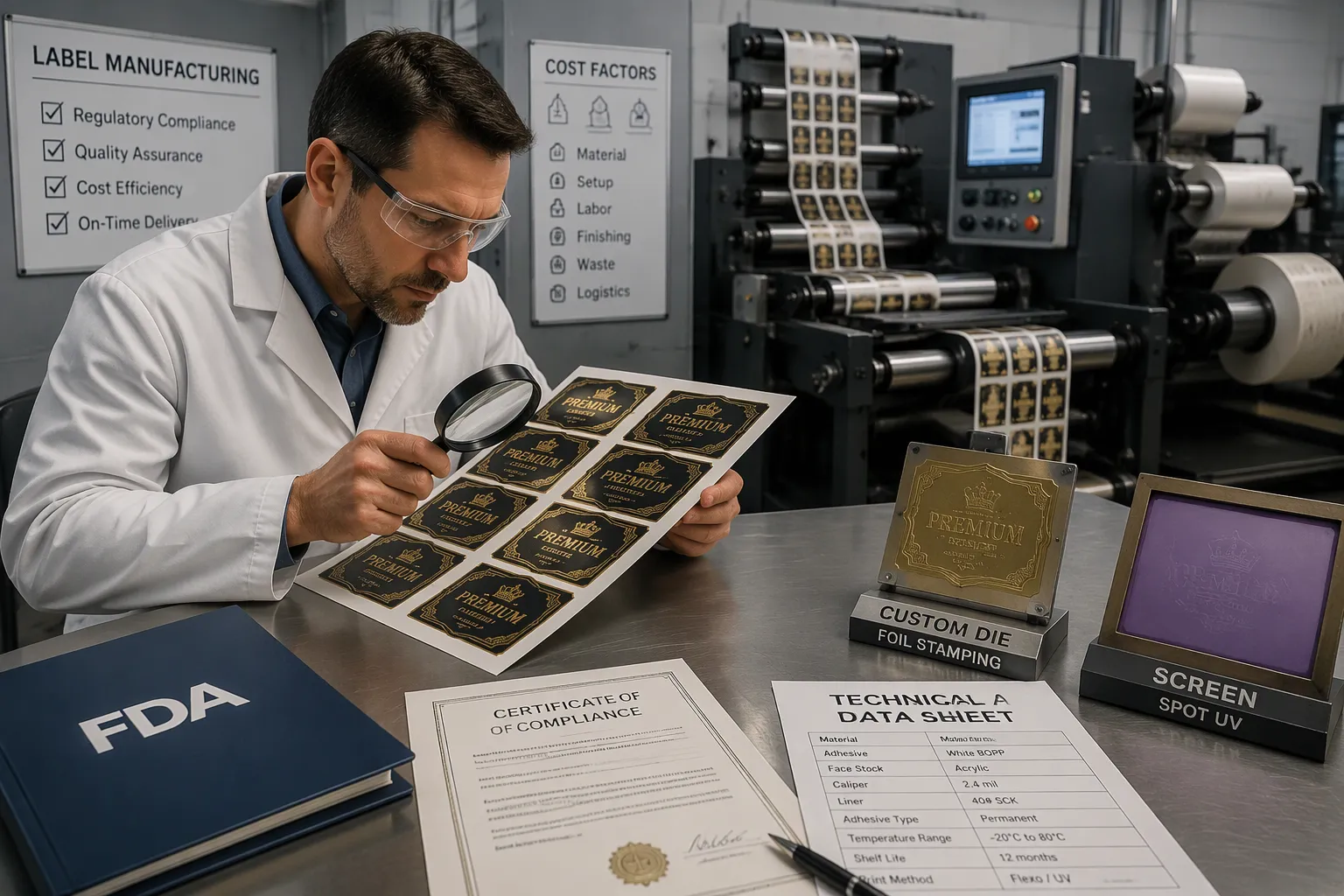
Food-contact rules decide which materials you can use. The FDA groups label facestock, adhesives, and inks as Food Contact Substances under Section 409(h)(6) of the Federal Food, Drug, and Cosmetic Act, according to Lowry Solutions. Direct-contact substances touch the food itself, like produce PLU labels. Indirect-contact substances sit on outer cartons or pouches. Manufacturers can look at 21 CFR 174-199 for approved materials.
Ask every label printing company for three documents, as Cubit Packaging advises: an FDA facility registration number, a Certificate of Compliance for the materials, and GMP certification. ePackage Supply suggests checking the resin type and reading technical data sheets before you approve a run. A good supplier gives you these without being asked.
Substrate and adhesive choice follows the packaging surface. DJB Label maps common pairings:
| Packaging surface | Substrate | Adhesive | FDA contact |
|---|---|---|---|
| Glass jars, sauce bottles | PET | Water and oil resistant | Indirect |
| Metal cans, tins | BOPP or PET | High-tack permanent | Indirect |
| Aluminum foil pouches | BOPP film | High-tack for low-surface-energy foil | Indirect |
| Fruit stickers, inner labels | FDA direct-contact stock | FDA direct-contact adhesive | Direct |
Frozen and oily foods need film-based stock. Instiker warns that coated paper cracks at low temperatures and lets moisture seep through the label edge. Wenzhou Baihengyu Printing Co., Ltd. runs PET, PVC, and synthetic stocks with oil-based, hot-melt, and water-based adhesives, which covers most indirect-contact food and logistics jobs.
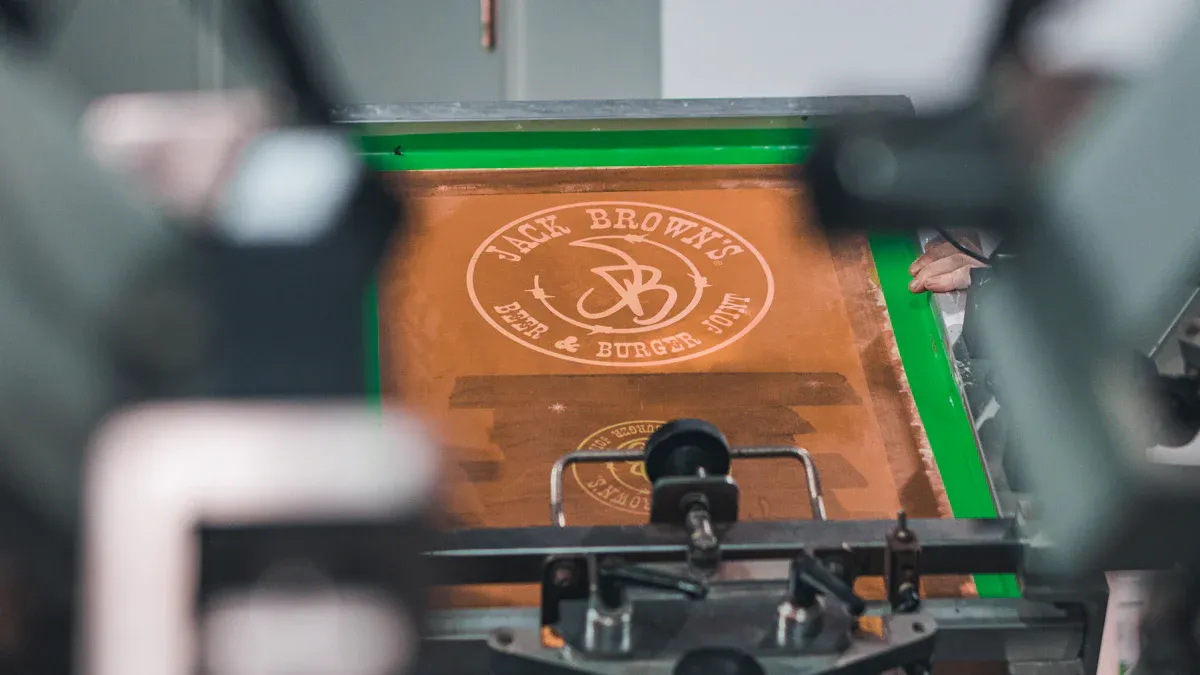
Tooling causes the biggest cost gap in custom label printing. Foil and embossing each need a custom die, while spot UV uses a screen or plate, according to Zyinco. Short-run label printing spreads that die cost across few units, so the per-label price goes up. Bulk orders spread the same charge across many more pieces.
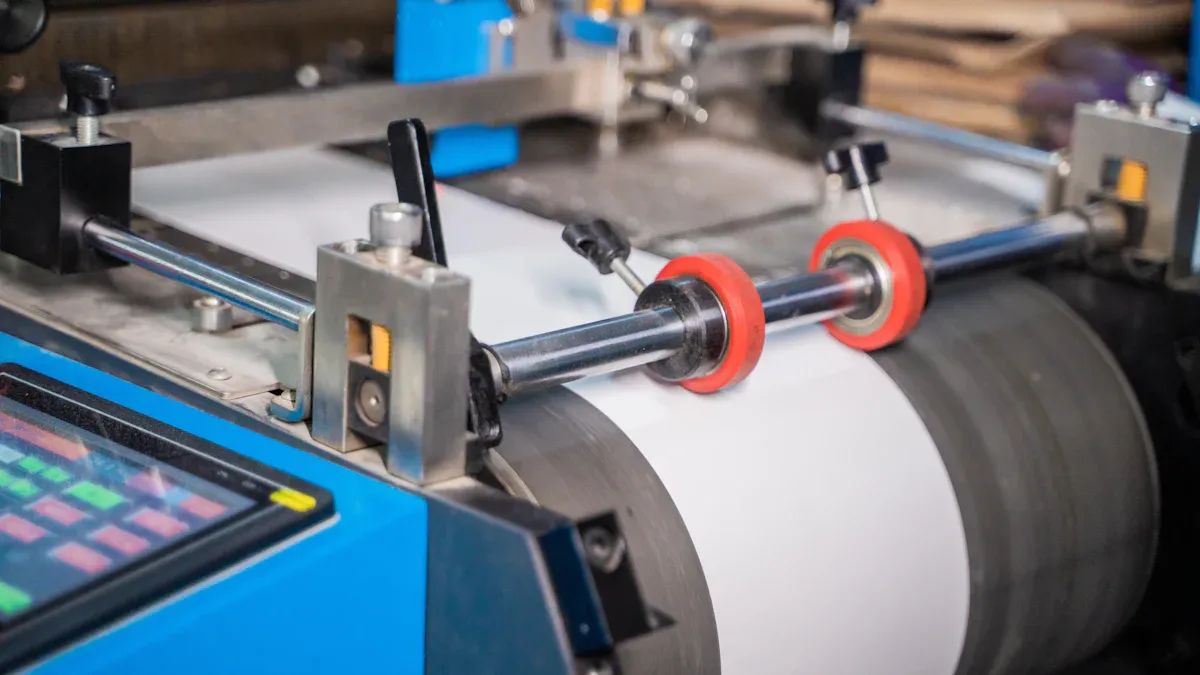
Coverage area matters too. A small hot stamp foil logo on a large run stays cheap. A full-coverage foil pattern on a small batch gets expensive fast. Inline finishing, where foil, UV, and lamination run in the same pass, cuts handling steps and lowers unit cost, according to Getopener. Offline finishing buys precision at a higher price.
Spend on the one specialty finishes effect that does the strongest visual job. A small foil logo often beats several competing finishing options spread across the label. Ask two or three manufacturers for a specification-based quote, and compare finishing options against your actual run size.
The shortlist splits by strength. Big converters handle large orders and many finishes stacked together. Specialty shops are best for small luxury runs. Source printers like Wenzhou Baihengyu Printing Co., Ltd. do foil, spot UV, embossing, and laminating all in-house.
Use a framework:
Then ask two or three shortlisted suppliers for finish samples and side-by-side quotes. Check foil depth, registration, and scuff resistance on the actual piece. That test tells you which manufacturers are good for custom labels with premium finishing such as foil better than any spec sheet. Order custom labels and custom label printing samples before you commit.
Begin with how many labels you need. Large converters take on big orders and apply several finishes in one pass. Specialty shops are good for small luxury batches that can't afford tooling. Match the group to your job, then compare samples from both.
Yes. Supremex and Royal Printers mix finishes like foil plus embossing or spot UV plus soft-touch. Wenzhou Baihengyu Printing Co., Ltd. does hot stamp foil, spot UV, embossing, and laminating in-house. Ask for a physical proof to make sure all three effects line up correctly.
Check three things: foil depth, registration, and scuff resistance. Run a fingernail across the foil. Hold the label at an angle to spot any misalignment between the emboss and the printed ink. For cold storage or humid shelves, confirm a laminate or varnish protects the foil.
Spot UV bonds best to matte or glossy paper, BOPP, PET, and vinyl. Hot foil works on textured and uncoated stocks. Cold foil needs a smooth surface. For durable or industrial jobs, specify polyester, polyimide, or vinyl facestock with a matched adhesive.
Spend on the one effect that makes the strongest visual impact. A small foil logo on a large run stays cheap. Full-coverage foil on a short batch gets expensive fast. Inline finishing cuts handling steps. Ask two or three suppliers for quotes based on your actual run size.