











What are the best pressure-sensitive label manufacturers for custom packaging applications?
Oct 27, 2026
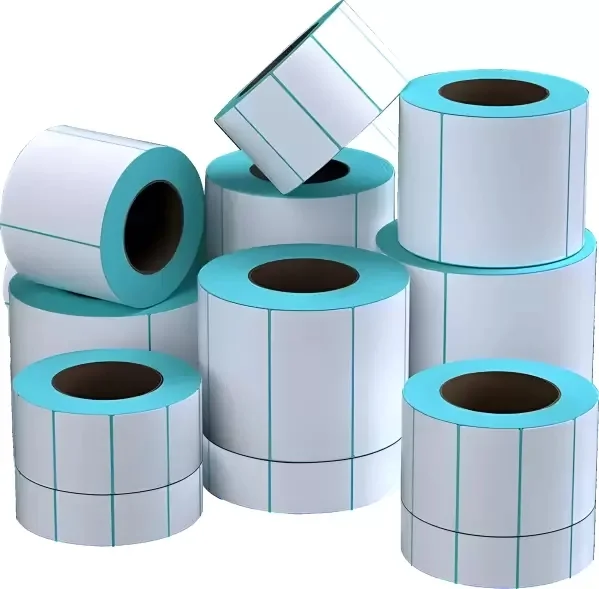
Readers asking what are the best custom printing manufacturers for packaging-focused businesses? can start with a short list: RR Donnelley, Quad, Cimpress/Vistaprint, Refine Packaging, Packlane, PakFactory, PlusPrinters, and label and box source manufacturers such as Wenzhou Baihengyu Printing.
Each option earned its place through four criteria: technical performance, application fit, regulatory compliance, and cost. These measures show how well a manufacturer handles custom packaging work across different volumes and formats.
This comparison stays factual. It helps buyers match a printing supplier to their own packaging requirements, whether that means short runs, retail boxes, or label manufacturing at scale.
Readers asking what are the best custom printing manufacturers for packaging-focused businesses? can get a faster answer by splitting the field into three tiers. Each tier serves a different part of the market, and the four dimensions below show where each one fits.
Both firms run large-scale offset and digital presses. They also handle prepress, color management, and finishing in-house. Long runs keep color consistent across plates and reprints. The equipment handles folding cartons, rigid boxes, and retail displays. So complex packaging work stays under one roof.
These manufacturers fit national retail rollouts and consumer goods packaging programs. They also suit campaigns that pair cartons with inserts and manuals. A brand with steady high volume and heavy versioning gains the most. Buyers sourcing custom boxes and packaging at scale often treat them as a custom box manufacturer for flagship lines.
Both keep documented quality systems. They supply compliance paperwork for food-contact and pharmaceutical packaging. Buyers should confirm the substrate certifications their product needs.
Unit economics improve at high volume. Setup and plate costs spread across large runs. So these suppliers reward forecast accuracy and consolidated orders. Custom packaging cost drops sharply once quantities climb.
Cimpress calls itself the global leader in web-to-print mass customization. A global manufacturing network and an advanced technology platform support this. Vistaprint's custom packaging range covers:
Robert Keane, founder and CEO of Cimpress, frames the strategy plainly:
"Our customers deeply value how we help them build their brands, stand out and grow."
Small and mid-size brands fit here, along with e-commerce sellers and food and beverage shops. One packaging catalog covers branded e-commerce packaging, unboxing inserts, and retail bags. That suits teams that want a single source.
Vistaprint lists food packaging categories. Buyers should request material documentation for direct food contact. Templates keep artwork inside safe print areas.
Low minimums and self-serve ordering keep entry costs modest. Vistaprint publishes these delivery windows, which include production and shipping:
| Economy | Standard | Express | Rush |
|---|---|---|---|
| 8 business days | 6 business days | 3 business days | 2 business days |
Mailer boxes and shipping boxes above 48 units carry added shipping fees. So custom boxes in bulk need a freight check.
Refine Packaging keeps every step in-house from 100 to 10,000 pieces. It uses CMYK offset and PMS spot color on folding cartons, corrugated boxes, and luxury packaging. Packlane runs an online-first platform with instant quoting and a 3D live preview before checkout. Both support custom printed packaging with free design help.
Refine suits brands that want free design support and mockups. Packlane suits teams that prefer self-serve ordering without a sales rep. Together they cover most custom packaging companies a growing brand would shortlist. Either can act as a single custom packaging company for a launch.
Both provide artwork proofs and material selection for printed packaging. Food and cosmetics buyers should confirm substrate documentation before production.
| Company | Minimum order | Turnaround |
|---|---|---|
| Refine Packaging | 100 boxes | 8-10 business days standard, 4-6 rush |
| Packlane | 1 unit (HDPrint), 50 units (HDPrint Gloss) | 7-10 business days production, plus 1-7 transit |
Packlane's low entry point makes customized packaging affordable for a first run. Refine spreads tooling across larger custom product packaging orders.
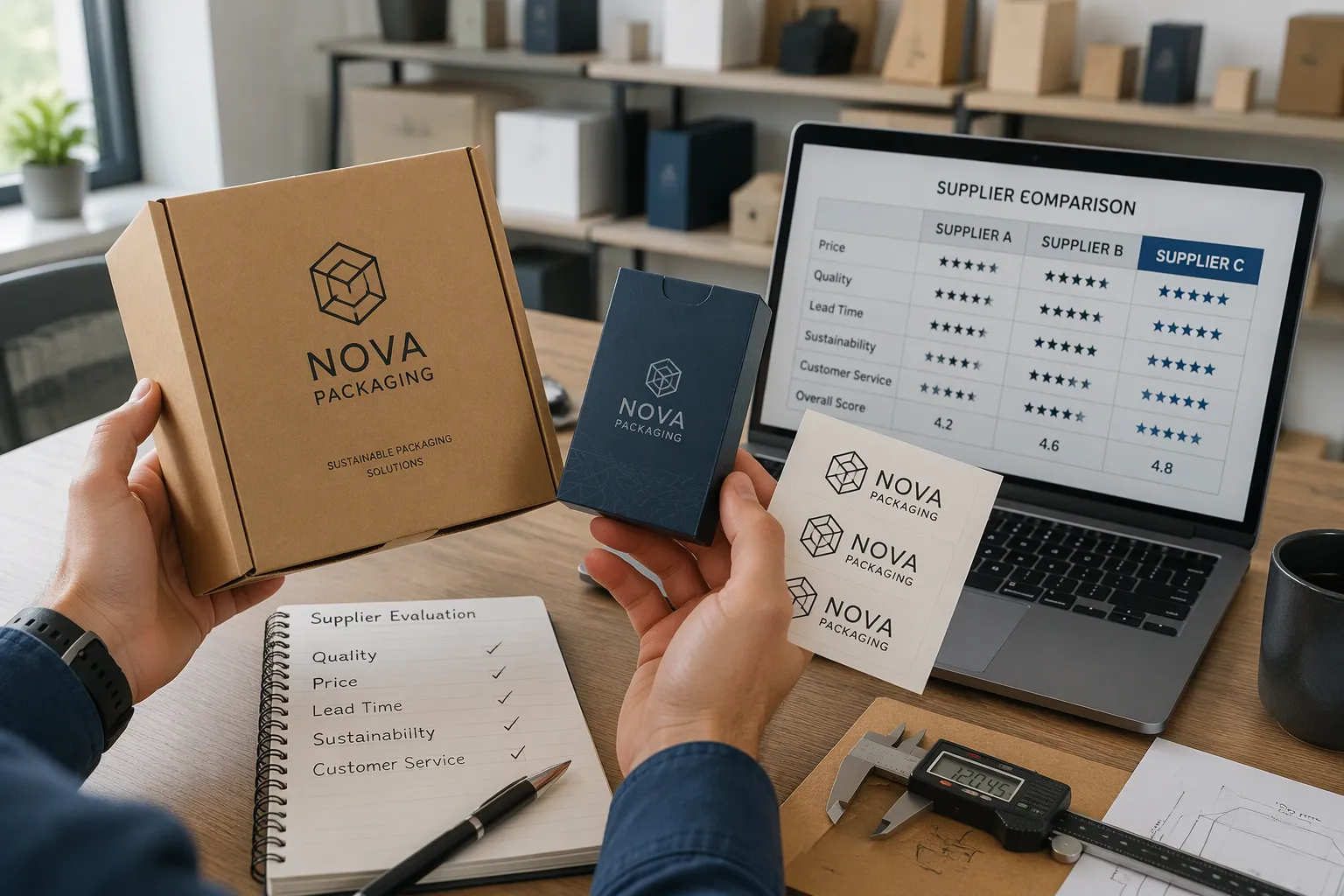
Custom packaging suppliers come in three types, and each type fits a different kind of buyer. Big-volume commercial printing fits RR Donnelley and Quad. Startup and mid-size orders fit Cimpress, Vistaprint, Refine Packaging, and Packlane. Label and custom printed box sourcing fits source manufacturers like Wenzhou Baihengyu Printing. Buyers asking what are the best custom printing manufacturers for packaging-focused businesses? can use this split as a shortlist filter.
Technical performance is the first thing that separates the tiers. Grand View Research reports that established players put money into advanced printing, automation, and digital technologies. Newer players compete on shorter production runs, digital presses, and fast turnaround. The same source notes that digital printing makes short runs cost-effective, allows quick design changes, and supports variable data campaigns.
Application fit follows a similar pattern. A consultative review weighs product requirements, container design, material selection, filling conditions, labeling, tooling, and freight. Custom packaging also adds tooling, development time, minimum volumes, and supplier dependence. Buyers shortlisting companies for custom boxes and packaging should compare a stock format against a new design on function, economics, speed to market, and manufacturability.
Regulatory compliance and cost complete the picture. Grand View Research reports that Europe pushes brands toward recyclable designs that meet EU directives such as the Packaging and Packaging Waste Regulation (PPWR). Custom packaging also raises manufacturing costs through specialized design, frequent artwork changes, and multiple variations. Small and mid-size firms may face budget limits and limited access to advanced technologies. Buyers should confirm substrate documentation for food-contact work.
Large-volume commercial print fits brands that order custom boxes at scale with steady forecasts and heavy versioning. Established players hold strong global supply chains and broad product portfolios, which support economies of scale and regulatory compliance. Their scale suits national retail programs and flagship lines. Buyers should weigh suppliers on forecast accuracy here. A custom packaging company at this tier rewards consolidated orders.
Startup and mid-size custom packaging fits teams that need flexibility. Newer players show more agility in niche markets and small-to-medium volume orders. Packlane's one-unit minimum and Vistaprint's self-serve catalog let a first run of custom packaging boxes start small. These custom packaging companies also handle artwork changes without a sales call.
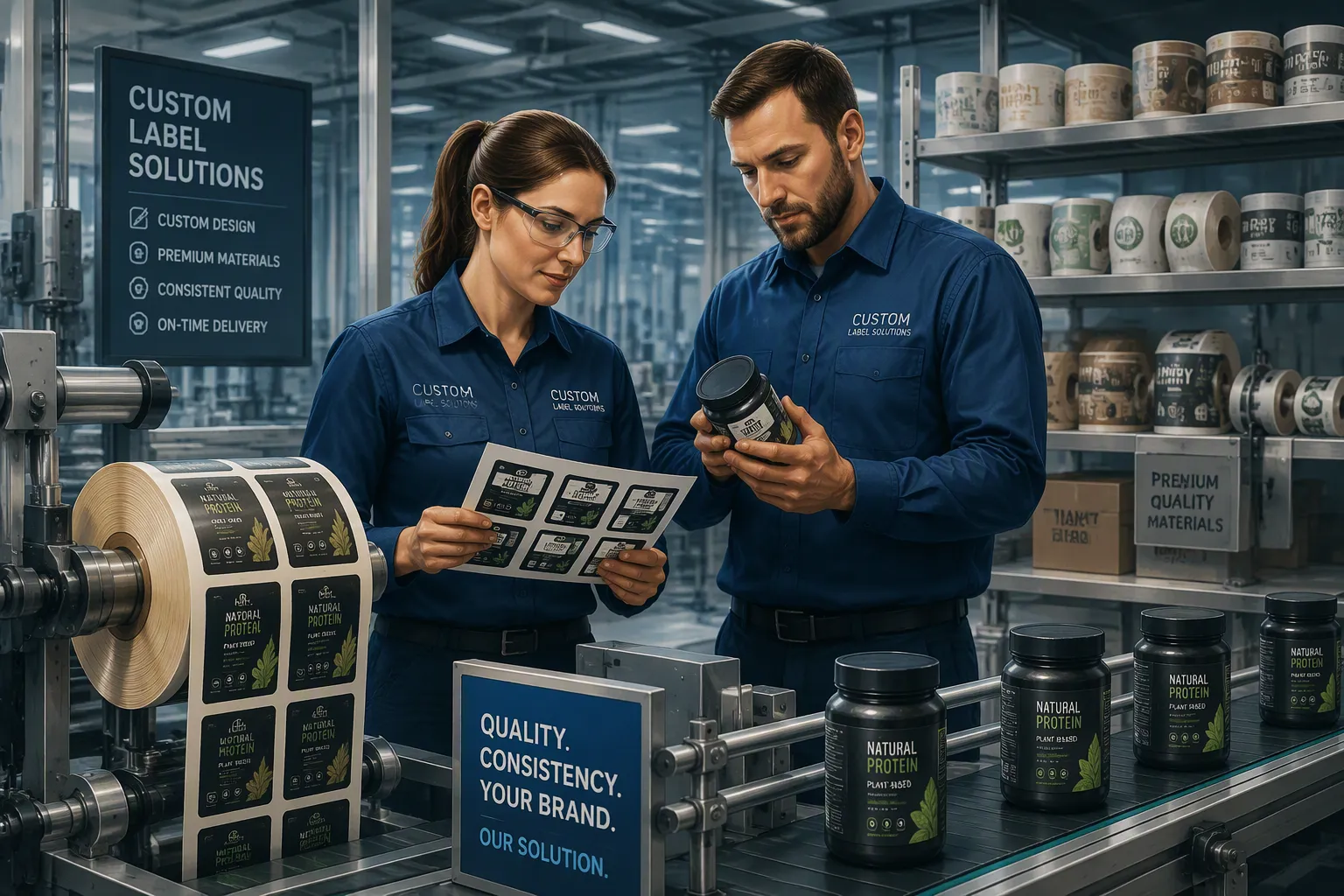
Label and custom printed boxes sourcing fits brands that need structure and print craft together. A product may pass through many handling points between factory and final delivery, Zenpack notes. An ISTA-certified partner validates structure through drop, vibration, and environmental stress tests. FSC-certified manufacturing keeps paper-based materials responsibly sourced. A source manufacturer can pair structural design with printed packaging under one roof. That combination shortens the path from artwork to delivery.
A substrate is the base layer that holds the ink. It can be paper, cardboard, plastic, film, or metal, according to Global Vision. Each substrate soaks up ink in its own way, which changes color, durability, and print quality. The same design can look brighter, duller, or sharper based on the material under it.
Buyers should match the substrate to the product and the trip it takes. Coated papers work well for labels and cartons, films work for flexible packaging, and corrugated board protects heavier goods in transit. Stronger materials protect products during shipping and storage. The right pick also helps branded packaging hold up on the shelf and in the mail.
Each printing method fits a different job. My Box Printing compares the main options on quality, setup, and volume.
| Factor | Digital | Offset | Flexography |
|---|---|---|---|
| Color accuracy | Lacks exact spot color matching | Highest accuracy | Good for bold solids, weaker on fine detail |
| Setup cost | Very low | High | Moderate to high |
| Best volume | Short runs, variable data | Medium to large runs | Large runs |
| Turnaround | Fastest | Longer plate setup | Slow setup, fast production |
Finishes add function and appeal. Spot UV, foiling, lamination, and embossing work well on premium retail packaging. Buyers should make sure the finish works with the substrate before they approve artwork.
Order size shapes the supplier shortlist. Hercule Industrial reports that lower-volume folding carton runs start around 50 to 1,499 units, while medium and high volumes begin near 1,500 units. Rigid boxes usually start around 500 units for standard setup work. Short runs near 50 to 100 units exist for some formats.
Timelines vary by structure. Luxopack lists printed folding cartons and mailers at 7 to 10 days, lid-and-base rigid boxes at 12 to 16 days, and multi-piece boxes with two or more finishes at 16 to 22 or more days. Sea freight adds 25 to 35 days. Buyers should compare custom packaging moqs and minimum order quantities across suppliers, then plan backward from the launch date. A simple reprint takes 3 to 4 weeks, while a new design with sampling runs 8 to 10 weeks, per Originality Pack. Peak season adds 2 to 3 weeks.
When companies ignore compliance rules, shipments get held up and boxes must be reprinted. Buyers who treat these rules as an afterthought often find this out the hard way. The table below shows the main US agencies that regulate custom printed boxes.
| Regulatory Body | Requirement |
|---|---|
| FDA | Regulates packaging that touches food, drugs, or cosmetics directly |
| CPSC (CPSIA) | Limits lead and heavy metals in items for children 12 and under, packaging included; a Children's Product Certificate is required |
| California Proposition 65 | Requires warnings for exposures to listed chemicals, including lead in inks and phthalates in coatings |
| FTC | Governs material claims such as "Made from Recycled Paper" |
| CBP | Inspects, detains, and seizes non-compliant goods at the border |
State rules add another layer. Maine, Minnesota, New York, Vermont, and Washington restrict PFAS in food packaging made from paper or plant fibers, per SGS. A packaging team should confirm substrate documentation before approving custom box designs.
Each printing method works best with a certain format. Offset lithography reproduces fine text and spot colors on paperboard folding cartons for cosmetics, candles, and apparel. Flexographic printing fits corrugated board, kraft liners, films, and labels. Digital printing serves prototypes, short runs, and versioned artwork without plate costs. Screen printing deposits heavy, opaque ink on rigid boxes, tins, and bottles.
Paperboard accepts scoring, folding, die-cutting, embossing, coating, and foil-stamping, which makes it the flexible choice for retail packaging. Corrugated board supports branded shipping boxes and mailers. A mismatch wastes money. Specifying flexo for a detailed cosmetic carton, or offset for a short seasonal run, raises cost without improving the result.
Minimum order quantities vary widely. Alora Packaging lists simple custom labels at 100–500 units, folding cartons at 250–1,000 units, mailer boxes at 100–500 units, and rigid gift boxes at 250–1,000 units. Typical turnaround runs 10–14 business days, though artwork approval and specifications shift the schedule.
Buyers make the same mistakes again and again. Picking the lowest minimum without comparing per-unit cost can backfire. Ordering extra units for a discount ties up funds and storage space. Ignoring shipping, duties, and taxes distorts the true cost. Approving artwork without checking logos, text, dimensions, and colors can render a run unusable. Waiting until stock runs low puts fulfillment at risk, especially during holiday or back-to-school spikes. Smart buyers build a buffer into the schedule and set a reorder point based on sales and production time. Many common packaging options now carry lower minimums than five to ten years ago, so a supplier with a high threshold is not the only path.
Each manufacturer fits one clear situation. RR Donnelley and Quad handle large-volume commercial printing. Cimpress and Vistaprint work well for small brands that want one self-serve catalog. Refine Packaging and Packlane fit growing custom packaging companies that need short runs. Source manufacturers like Wenzhou Baihengyu Printing take care of label and custom boxes and packaging sourcing all in one place.
Buyers should compare technical performance, application fit, compliance, and cost with their own needs. Then they should ask two or three shortlisted custom packaging suppliers for samples and quotes. Test the sample with the real product inside, and confirm quantities, lead times, and specs in writing. That step turns a shortlist into a confident choice on printed packaging.
These questions cover the practical side of picking custom packaging manufacturers. Each answer connects back to packaging performance, compliance, and cost.
Packlane works well for a first custom packaging run because of its one-unit minimum. Vistaprint fits small brands that want one self-serve packaging catalog. Both keep starting costs low, so a new packaging line can begin small and grow packaging volume later.
Buyers look at technical performance, application fit, compliance, and cost. A shortlist of custom boxes suppliers should include one large-volume printing house, one mid-size custom packaging partner, and one source manufacturer. That mix covers most packaging programs and packaging formats.
Printing schedules change based on the packaging structure.
| Packaging format | Production time | | | |
| Folding cartons and mailers | 7 to 10 days |
|---|---|
| Rigid boxes | 12 to 16 days |
| Multi-piece boxes with two or more finishes | 16 to 22 days |
Sea freight adds 25 to 35 days to any packaging schedule.
Offset lithography fits paperboard folding cartons. Flexographic printing suits corrugated board, films, and labels. Digital printing serves short runs and versioned artwork. Matching the method to the packaging format protects cost and print quality on every custom boxes order.
Food-contact packaging needs FDA-compliant substrates. Children's packaging falls under CPSIA limits and a Children's Product Certificate. Several states restrict PFAS in paper food packaging. Buyers should confirm documentation before approving custom boxes or custom packaging artwork, since packaging rules differ by market.
Ask for samples from two or three shortlisted suppliers. Test each sample with the real product inside. Confirm quantities, lead times, and printing specs in writing. This step turns a custom packaging shortlist into a confident packaging choice on custom boxes, and it protects the packaging budget.
A source manufacturer handles label printing and box production under one roof. That shortens the path from artwork to delivery. Brands that need structure and print craft together gain the most from this custom packaging model, and packaging quality stays steady across the run.
A purchase order should list substrate, printing method, finish, quantity, and delivery date. Artwork approval belongs in writing. Clear specs cut down on reprints across any custom packaging or custom boxes project.