










How to Choose a Food and Beverage Label Supplier for Different Packaging Materials
Oct 12, 2026
For beauty brands, packaging stickers are much more than simple labels. They carry product information, support brand recognition, and contribute directly to how a skincare, personal care, or cosmetic product looks on the shelf. A well-designed sticker can make a simple bottle or jar look professional, while a poorly selected label may wrinkle, peel, fade, or fail to match the packaging material.
This is why choosing the right cosmetic packaging sticker supplier is an important part of product development. The supplier needs to understand not only printing, but also different packaging surfaces, adhesive requirements, finishing processes, production volumes, and quality control.
For brands developing new cosmetic products or looking for a more stable packaging partner, the following points can help make the selection process more practical.
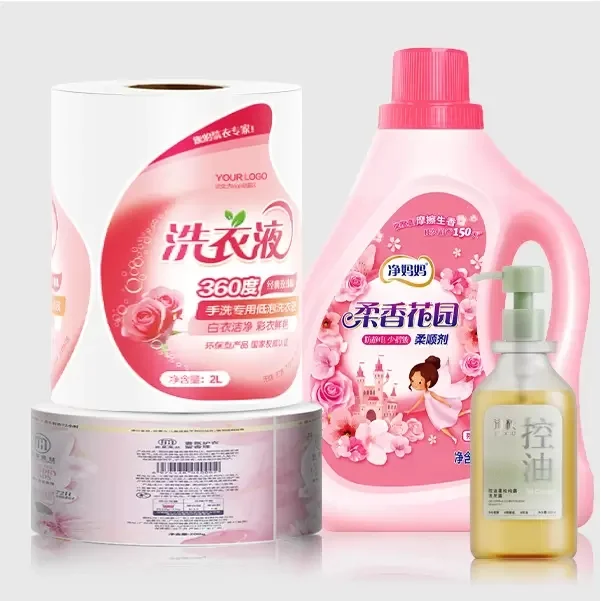
Cosmetic packaging can involve glass bottles, plastic bottles, tubes, jars, boxes, pouches, and other containers. These surfaces do not all behave in the same way.
A label that performs well on a flat cardboard box may not work equally well on a curved PET bottle. Some cosmetic containers also have smooth or slightly oily surfaces, while others may be exposed to moisture in bathrooms or during transportation.
A reliable supplier should therefore be able to recommend suitable materials and adhesives according to the actual packaging.
For example, cosmetic packaging stickers may use coated paper when appearance and conventional indoor applications are the main concerns. Synthetic paper, PVC, or PET can be considered when better moisture resistance or durability is required.
The supplier should ask questions such as:
A supplier that asks these questions before production is more likely to provide a practical solution rather than simply print the artwork provided by the customer.
Material selection is one of the first technical decisions to make.
For skincare and personal care products, common choices include coated paper, synthetic paper, PVC, PET, matte silver materials, and other self-adhesive label stocks. Each material creates a different balance between appearance, durability, and processing performance.
Coated paper labels can provide a clean and attractive appearance and are suitable for many standard cosmetic products. Synthetic materials can be more suitable when moisture resistance is important. PET labels can provide a durable surface for products that require better resistance during handling and transportation.
For premium cosmetic packaging, matte finishes, metallic effects, embossing, and other finishing processes can also be used to create a more distinctive appearance.
Instead of choosing a material simply because it looks good in a sample book, brands should test the finished label on the actual packaging.
The adhesive is another critical factor that is easy to overlook.
A cosmetic label may look perfect immediately after application but begin to lift around the edges after exposure to humidity, temperature changes, or repeated handling. This is particularly problematic for bottles and containers with curved surfaces.
Different applications may require different adhesive technologies. Oil-based adhesives, hot-melt adhesives, and water-based adhesives each have their own characteristics.
The supplier should be able to explain which adhesive is suitable for the packaging material and application environment.
It is also useful to conduct a simple application test. Apply the sticker to the actual container, leave it for an appropriate period, and check whether the label remains flat and firmly attached. For curved bottles, pay particular attention to the edges and corners.
A cosmetic packaging sticker represents the visual identity of a beauty brand, so printing quality matters.
Before selecting a supplier, check whether the manufacturer can handle the printing and finishing effects required by your product design. Common processes include lamination, hot stamping, embossing, spot UV coating, die cutting, and variable data printing.
For example, hot stamping can be used to create metallic details for logos or product names. Spot UV can highlight specific areas of the design, while embossing can add a tactile effect.
However, more finishing processes do not automatically mean a better label. The supplier should understand how to combine these processes without affecting readability, adhesion, or production consistency.
For brands producing multiple SKUs, consistency is particularly important. The colors, dimensions, finishing effects, and positioning should remain stable across different production batches.
A professional cosmetic packaging sticker supplier should be able to support sample development.
A sample allows the brand to evaluate much more than the artwork. It provides an opportunity to check:
For curved cosmetic bottles, it is especially important to test the physical application rather than approving a digital proof alone.
This step can identify problems before large-scale production and reduce the risk of receiving labels that cannot be properly applied to the final packaging.
A reliable supplier should have a clear quality control process covering the entire production cycle.
Quality control should begin with incoming raw materials and continue through printing, die cutting, finishing, inspection, packing, and delivery.
For cosmetic packaging stickers, useful inspection points include material specifications, color consistency, printing clarity, die-cutting accuracy, adhesive condition, surface defects, and finished roll or sheet quality.
Wenzhou Baihengyu Printing Co., Ltd., for example, has established a quality inspection system covering the process from raw material entry to finished product delivery. This type of process-based quality control is important for brands that need stable production across repeated orders.
The company operates standardized production workshops with printing, die-cutting, and post-processing equipment, allowing different production steps to be managed within an integrated manufacturing system.
Not every beauty brand has the same purchasing requirements. A startup may need samples and small-batch production for a new skincare product, while an established brand may require large-volume production for multiple markets.
Therefore, production flexibility is an important factor when choosing a supplier.
A capable manufacturer should be able to handle different quantities without changing the basic quality standards. It should also be able to support different label sizes, materials, adhesive types, and finishing requirements.
Wenzhou Baihengyu Printing Co., Ltd. provides services ranging from sample production and customized design to larger production orders. This one-stop approach can simplify communication when a brand needs to move from product development to regular purchasing.
A beauty brand may eventually need more than stickers.
For example, a new product launch may require cosmetic labels, folding cartons, product manuals, brochures, gift boxes, or other printed packaging materials.
Working with a supplier capable of providing several related products can make packaging management easier. It can also reduce communication between different vendors.
Wenzhou Baihengyu specializes in self-adhesive labels, brochures, instructions, packaging boxes, and other commercial printing products. Its product range includes food and daily chemical labels, cosmetic labels, electrical labels, anti-counterfeiting labels, color boxes, gift boxes, product manuals, and carbonless paper.
For brands with several packaging requirements, this broader production capability can be useful.
Beauty products often have specific packaging requirements. A standard label may not be enough.
Some brands need metallic effects, transparent areas, security features, variable information, special shapes, or tamper-evident designs. Others may need labels made for products with unusual container shapes.
A supplier with its own design, printing, die-cutting, and post-processing capabilities can respond more efficiently to these requirements.
For brands looking specifically for customized cosmetic and personal care labels, you can learn more about customized cosmetic and personal care labels and consider how different materials and finishing options can be matched to your packaging.
Good production is not only about machinery. Communication also affects the final result.
Before placing an order, make sure the supplier can clearly confirm artwork specifications, label dimensions, material, adhesive, printing requirements, finishing processes, packaging method, sampling requirements, and delivery schedule.
A supplier that provides design assistance, sample making, customized quotations, and order tracking can make the process easier, particularly for overseas buyers.
Wenzhou Baihengyu Printing Co., Ltd. provides free design support, sample production, customized quotation services, and order tracking. The company has served customers in different industries and exports products to several Asian countries.
Choosing a reliable cosmetic packaging sticker supplier requires more than comparing sample designs. Beauty brands should evaluate the supplier's material knowledge, adhesive options, printing technology, finishing capabilities, sample support, quality control, production flexibility, and communication process.
The right supplier should be able to understand the actual packaging application and recommend a label solution that works in production—not simply reproduce an artwork file.
Established in 2010, Wenzhou Baihengyu Printing Co., Ltd. combines creative design, printing production, post-processing, and logistics services. With a standardized production system, multiple self-adhesive materials and adhesive options, advanced printing and die-cutting equipment, and strict quality control, the company provides customized printing and packaging solutions for cosmetic and personal care brands.
For beauty brands developing new products or looking for a long-term printing partner, evaluating these practical factors before production can help create labels that look professional, perform reliably, and remain consistent as the brand grows.